

Trekking
Trekking Tours in Peru
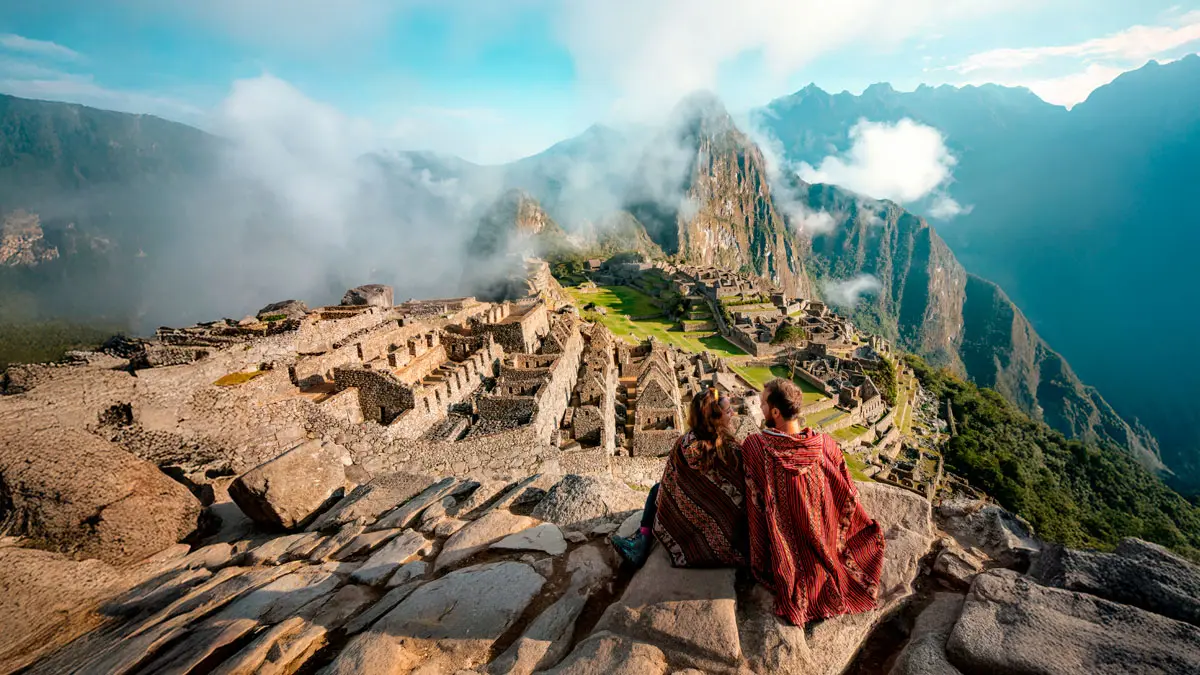
Peru is one of the world’s great trekking destinations. The Inca Empire built over 40,000 km of stone roads through the Andes, and many of them are still walkable today — not as ruins, but as living trails connecting highland villages, ancient citadels and mountain passes above 5,000 meters.Our trekking tours range from accessible full-day hikes to multi-day expeditions. Whether you want to walk the classic Inca Trail to Machu Picchu, summit the glacial pass of Salkantay at 4,638 m, circle the sacred Nevado Ausangate at 6,384 m, or discover the lesser-known ruins of Huchuy Qosqo with almost no other tourists, we have a trek for your fitness level and schedule.All our treks depart from Cusco (3,400 m). We recommend arriving at least two days before your trek to acclimatize — this single step dramatically reduces altitude sickness risk and makes the experience far more enjoyable.
Trekking Tours
0 toursNo tours found in Trekking
Try different filters
What are Trekking tours?
Peru is one of the world's great trekking destinations. The Inca Empire built over 40,000 km of stone roads through the Andes, and many of them are still walkable today — not as ruins, but as living trails connecting highland villages, ancient citadels and mountain passes above 5,000 meters.Our trekking tours range from accessible full-day hikes to multi-day expeditions. Whether you want to walk the classic Inca Trail to Machu Picchu, summit the glacial pass of Salkantay at 4,638 m, circle the sacred Nevado Ausangate at 6,384 m, or discover the lesser-known ruins of Huchuy Qosqo with almost no other tourists, we have a trek for your fitness level and schedule.All our treks depart from Cusco (3,400 m). We recommend arriving at least two days before your trek to acclimatize — this single step dramatically reduces altitude sickness risk and makes the experience far more enjoyable.
Our trekking portfolio covers the full range of difficulty and duration available in the Cusco region and beyond. Here's what sets our treks apart from the competition:
- Small groups (max 12 people) — genuine wilderness experience, not a crowd
- Bilingual certified guides — all hold official tourism licenses and wilderness first aid certification
- Quality equipment — sleeping bags rated to -10°C, trekking poles, and first-aid kits included on multi-day treks
- Transparent pricing — no hidden entry fees or surprise charges
We offer four main trek routes from Cusco, each with a distinct character:
- Inca Trail (2 or 4 days) — the world's most iconic trek, with original Inca stone paving and three UNESCO-listed sites before reaching Machu Picchu
- Salkantay Trek (5 days) — longer, wilder, and passing under a 6,271 m glacier; the most popular alternative to the Inca Trail
- Ausangate Trek (3 days) — remote circuit around a sacred snow peak, camping at 4,800 m, hot springs included
- Huchuy Qosqo (1 or 2 days) — overlooked gem above the Sacred Valley; Inca palace with panoramic views, rarely more than 20 people on trail
Physical requirements
Physical requirements vary by trek. Here are honest fitness expectations for each:
- Huchuy Qosqo Full Day — Moderate. 10 km, 5-6 hours walking. Suitable for anyone with basic fitness who walks regularly.
- Huchuy Qosqo 2 Days — Moderate. 15 km over 2 days with a night at camp (3,650 m). Same fitness level but more comfortable pace.
- Inca Trail 2 Days — Moderate–Demanding. 14 km from km 104, significant uphill on Day 1. Good fitness required.
- Inca Trail 4 Days — Demanding. 43 km, Dead Woman's Pass at 4,215 m on Day 2. Regular cardio training recommended for 4–6 weeks before.
- Salkantay 5 Days — Demanding. 74 km, Salkantay Pass at 4,638 m. Toughest day is Day 2 (9–10 hours). Requires solid cardiovascular fitness.
- Ausangate 3 Days — Very Demanding. High camp at 4,800 m, Palomani Pass at 5,200 m. Only for trekkers with genuine mountain experience.
All treks include a professional guide. If you have concerns about fitness, contact us and we'll help you choose the right route.
What to pack
- Layered clothing: moisture-wicking base layer, mid-fleece, waterproof jacket
- Waterproof trekking boots (broken in before the trek)
- Trekking poles (provided on multi-day treks)
- Sleeping bag -10°C (provided on Salkantay, Ausangate, Huchuy Qosqo 2D)
- Sun protection: SPF 50+ sunscreen, sunglasses (UV400), wide-brim hat
- Rain poncho or pack cover
- 1.5–2 L water bottle or hydration bladder
- Altitude medication (consult your doctor — acetazolamide or coca tea)
- Small backpack 20–30 L for day use (porters carry main bags)
- Headlamp with extra batteries
- Personal snacks (trail mix, energy bars, electrolyte tablets)
- Personal first-aid kit (blister pads, ibuprofen, antihistamine)
- Camera with extra memory cards
- Cash in soles for optional meals and tips (porters, cook, guide)
FAQ about Trekking
5Do I need a permit to trek in Peru?
The Inca Trail requires a government permit (limited to 500 people per day including staff). We handle permit booking for you — permits sell out months in advance, especially May–September. Salkantay, Ausangate, and Huchuy Qosqo do not require special permits, though entry fees to archaeological sites apply.
How do I avoid altitude sickness on a trek?
Arrive in Cusco (3,400 m) at least 2 days before your trek. Drink 3–4 liters of water daily, avoid alcohol the first two days, eat light meals, and rest. Coca tea is a traditional remedy and widely available. We also recommend consulting your doctor about acetazolamide (Diamox). Our guides carry supplemental oxygen and altitude medication on all multi-day treks.
What is included in the trek price?
Prices vary by trek, but all our multi-day treks include: certified bilingual guide, porters for communal equipment, all meals (breakfast, lunch, dinner) during the trek, camping gear (tent, sleeping mat), sleeping bag rated to -10°C, trekking poles, and bus transportation to/from the trailhead. Entry fees to Machu Picchu and train tickets are included where specified. Check your specific tour page for full inclusions.
What is the best time of year for trekking in Peru?
The dry season (April–October) is ideal: clear skies, stable temperatures, and firm trails. June–August is peak season — permits and hotels book up fast. The wet season (November–March) brings heavier rain, muddy trails, and risk of landslides on the Inca Trail (which closes entirely in February for maintenance). Salkantay and Ausangate run year-round except during extreme weather.
Can I trek if I have never hiked before?
Yes — for shorter treks. Huchuy Qosqo Full Day and the 2-Day version are accessible for beginners with moderate fitness. The Inca Trail 4-Day and Salkantay 5-Day require genuine preparation. We recommend at least 4–6 weeks of cardio exercise (hiking, cycling, or running) before a demanding trek. Our team will advise you based on your fitness level when you book.
Official endorsement
Associations & Certifications
We operate under the regulations and standards of Peru's leading tourism entities.