

Cusco
Tours in Cusco, Peru
Cusco (also spelled Qosqo in Quechua, meaning «Navel of the World») was the capital of Tawantinsuyu — the Inca Empire that stretched from present-day Colombia to central Chile. At its peak in the 15th century, it governed 12 million people across more territory than the Roman Empire.Today Cusco is a living city of 450,000 people built on top of Inca foundations. Walk the narrow streets of San Blas and you’ll notice that the lower courses of walls are Inca stonework — perfectly fitted polygonal blocks assembled without mortar that have survived five centuries and multiple earthquakes. Above them, colonial Spanish architecture was built by the same Inca stonemasons who had built the empire’s roads and temples, creating the unique Baroque-Andean fusion style that defines the city’s character.At 3,400 m (11,150 ft) above sea level, Cusco demands respect from new arrivals. Most travelers need 1–2 days to acclimatize before feeling fully comfortable. This is not a flaw — it’s a feature. Those slower days in the city are perfect for exploring the markets, museums, and cafés of one of South America’s most extraordinary urban environments.
Tours in Cusco
0 toursNo tours found in Cusco
Try different filters
Why visit Cusco
- Sacsayhuamán fortress — Massive Inca military complex above the city; the 125-tonne «Tired Stone» is the largest block moved by the Inca
- Qorikancha (Temple of the Sun) — The spiritual heart of the Inca Empire, once covered in 700 gold panels; the Church of Santo Domingo was built directly over it
- Qenqo ceremonial complex — Rock amphitheater with a labyrinthine underground chamber used for rituals and mummification
- Plaza de Armas — The original Huacaypata (place of weeping) of the Inca, now the social center of the city
- San Blas neighborhood — Bohemian craftsmen's quarter with the world's most photographed pulpit and some of the best views over the city
- Mercado San Pedro — The main local market: fresh chicha, quinoa soups, tropical fruits from the jungle, and medicinal herbs used since Inca times
- Cusco School of art (Escuela Cusqueña) — 17th–18th century Baroque paintings fused with Andean iconography; found in churches across the city
- Tambomachay hydraulic sanctuary — Inca aqueduct system with consistent water pressure for 500 years, still flowing without modification
Best time to visit Cusco
Dry season (April–October) is peak time: clear blue skies, firm trails, and consistent temperatures. Days reach 18–22°C, nights drop to 4–8°C. The entire month of June is festival season — Corpus Christi and Inti Raymi (June 24) make the city electric. Book accommodation 3–6 months ahead for June–August.
Wet season (November–March) sees afternoon rains that transform the Inca terraces into vivid green. Crowds are lighter, prices are lower, and the landscape is dramatically beautiful. The Inca Trail closes entirely in February for maintenance. Most other tours run year-round. December and January are Cusco's wettest months.
Shoulder months (April, September, October) offer the best balance: dry conditions, manageable crowds, and reasonable prices. May is particularly outstanding — clear skies and wildflowers across the Andes.
How to get to Cusco
By air: Alejandro Velasco Astete International Airport (CUZ) receives domestic flights from Lima (Avianca, LATAM, Sky Airline — approximately 1h15m flight). There is no direct international service to Cusco — all international travelers connect through Lima. Book Lima–Cusco tickets at least 3–4 weeks in advance during peak season.
From the airport: The airport is 5 km from the Plaza de Armas. Authorized taxis charge a flat rate of approximately S/.20–25 PEN (about $6 USD) to the city center. Avoid unlicensed taxi touts inside the terminal — use the official taxi counter in Arrivals.
By bus: Overnight buses from Lima (22 hours), Arequipa (10 hours), and Puno (6 hours) connect to Cusco's Terminal Terrestre. Cruz del Sur and CIVA operate reliable services. This is a cost-effective option but not recommended if you have limited time.
Tip on altitude: Flying directly to Cusco from sea level (Lima or international) puts you at 3,400 m within hours. Arrange a quiet afternoon and evening on arrival day. If you are very sensitive to altitude, consider a one-night stop in Urubamba (2,870 m) before Cusco.
What to pack for Cusco
- Layered clothing — temperatures swing 15–20°C between day and night year-round
- Warm jacket or down vest for evenings (temperature drops sharply after sunset)
- Waterproof layer (essential November–March; useful year-round for afternoon showers)
- Comfortable walking shoes with grip (cobblestones are slippery when wet)
- Sunscreen SPF 50+ and UV-400 sunglasses (UV index regularly hits 14–16 at altitude)
- Water bottle (aim for 3 L per day your first 2 days to aid acclimatization)
- Altitude medication if recommended by your doctor (acetazolamide/Diamox)
- Passport — required for all archaeological sites, trains, and the airport
- Unlocked smartphone for local SIM (Claro and Movistar have strong coverage)
- Travel adapter (Peru uses Type A/C sockets, 220V)
- Small cash in soles (many local restaurants and markets are cash-only)
Cusco Itinerary
Day 1: Arrival & Acclimatization
Arrive at CUZ airport. Transfer to hotel in the historic center. Afternoon walk around Plaza de Armas and San Blas at a slow pace. Dinner at a local restaurant (try quinotto or sopa de quinoa for altitude relief). Early to bed — rest is the best acclimatization tool.
Day 2: Cusco City Tour
Morning visit to Qorikancha and the city's colonial churches. Afternoon: Sacsayhuamán, Qenqo, Tambomachay, and Puca Pucara with a licensed guide. Evening: Mercado San Pedro for local street food.
Day 3: Sacred Valley or Maras & Moray
Full-day excursion to the Sacred Valley (lower altitude, easier breathing). Pisac ruins and artisan market, lunch in Urubamba, Ollantaytambo fortress in the afternoon. Return to Cusco by 7 pm.
Day 4: Machu Picchu
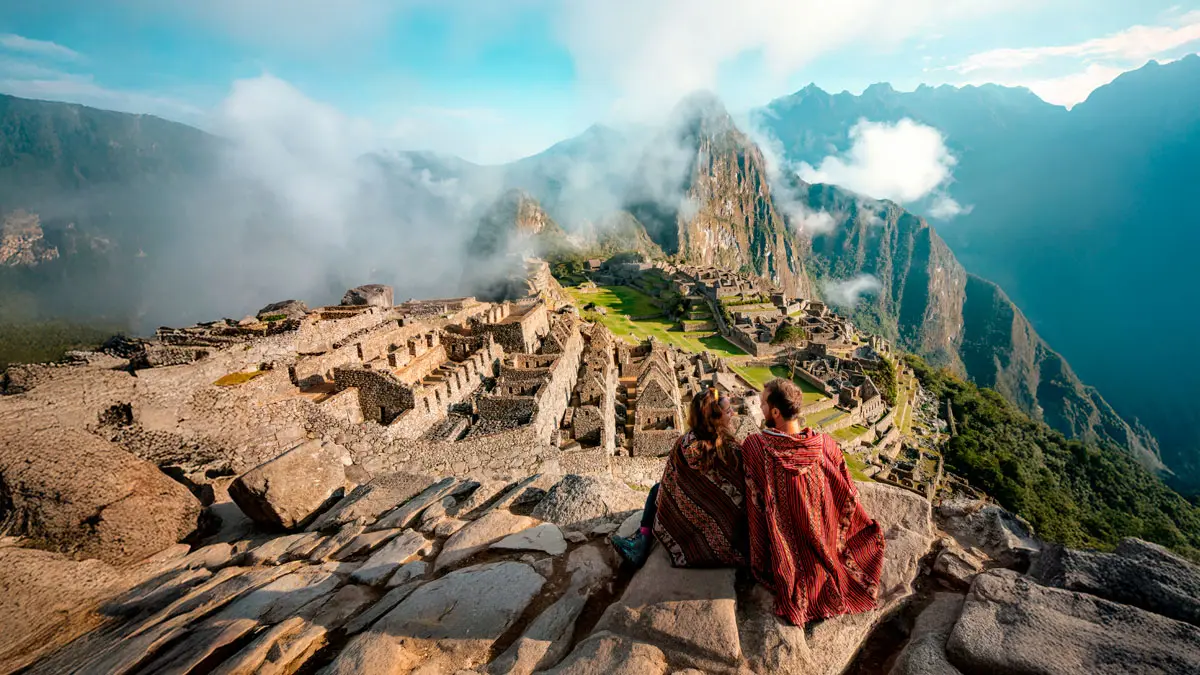
Early morning train from Ollantaytambo (or Cusco) to Aguas Calientes. Bus up to the citadel. 2.5-hour guided tour of the site. Optional afternoon Sun Gate hike. Return train to Cusco.
Day 5: High Altitude Activity
Rainbow Mountain or Humantay Lake full day — now that your body has acclimatized over 4 days in Cusco, you're physiologically ready for 5,200 m. Early departure (4:30 am), return by 5 pm. Final dinner in Cusco.
FAQ about Cusco
4How many days do I need in Cusco?
Most travelers spend 4–7 days in the Cusco region. A minimum of 4 days covers: 1–2 days acclimatizing and city touring, 1 day Sacred Valley, 1 day Machu Picchu. To also include Rainbow Mountain or a trek, add 1–2 more days. If doing the 4-Day Inca Trail, plan 7 days total for the region.
Is altitude sickness a serious concern in Cusco?
It affects most visitors to some degree. Common symptoms — headache, fatigue, shortness of breath — are normal the first 24–48 hours and usually resolve without medication. Severe altitude sickness (confusion, inability to walk) is rare but requires immediate descent. Prevention: arrive by early afternoon, rest the first evening, drink 3–4 L of water daily, avoid alcohol for the first 48 hours, and eat light meals. Coca tea is widely available and mildly effective.
Is Cusco safe for tourists?
Yes — the historic center is very safe for tourists by day and in the evening. Standard precautions apply: keep phones in inside pockets in crowded markets, use official taxis (radio taxis or the InDriver app), avoid poorly lit alleys at night, and don't display expensive cameras conspicuously on buses. The neighborhoods of San Blas, Plaza de Armas, and Recoleta are the safest and most tourist-friendly.
What currency should I bring to Cusco?
The Peruvian Sol (PEN) is the only currency accepted at most local restaurants, markets, and small shops. US dollars are widely accepted at tourist-oriented restaurants and hotels, but exchange rates are unfavorable. ATMs are plentiful in the historic center (Visa and Mastercard work reliably). We recommend arriving with at least S/.100–200 in cash from the Lima airport exchange for the first day.
Official endorsement
Associations & Certifications
We operate under the regulations and standards of Peru's leading tourism entities.