





Lima
Tours in Lima, Peru
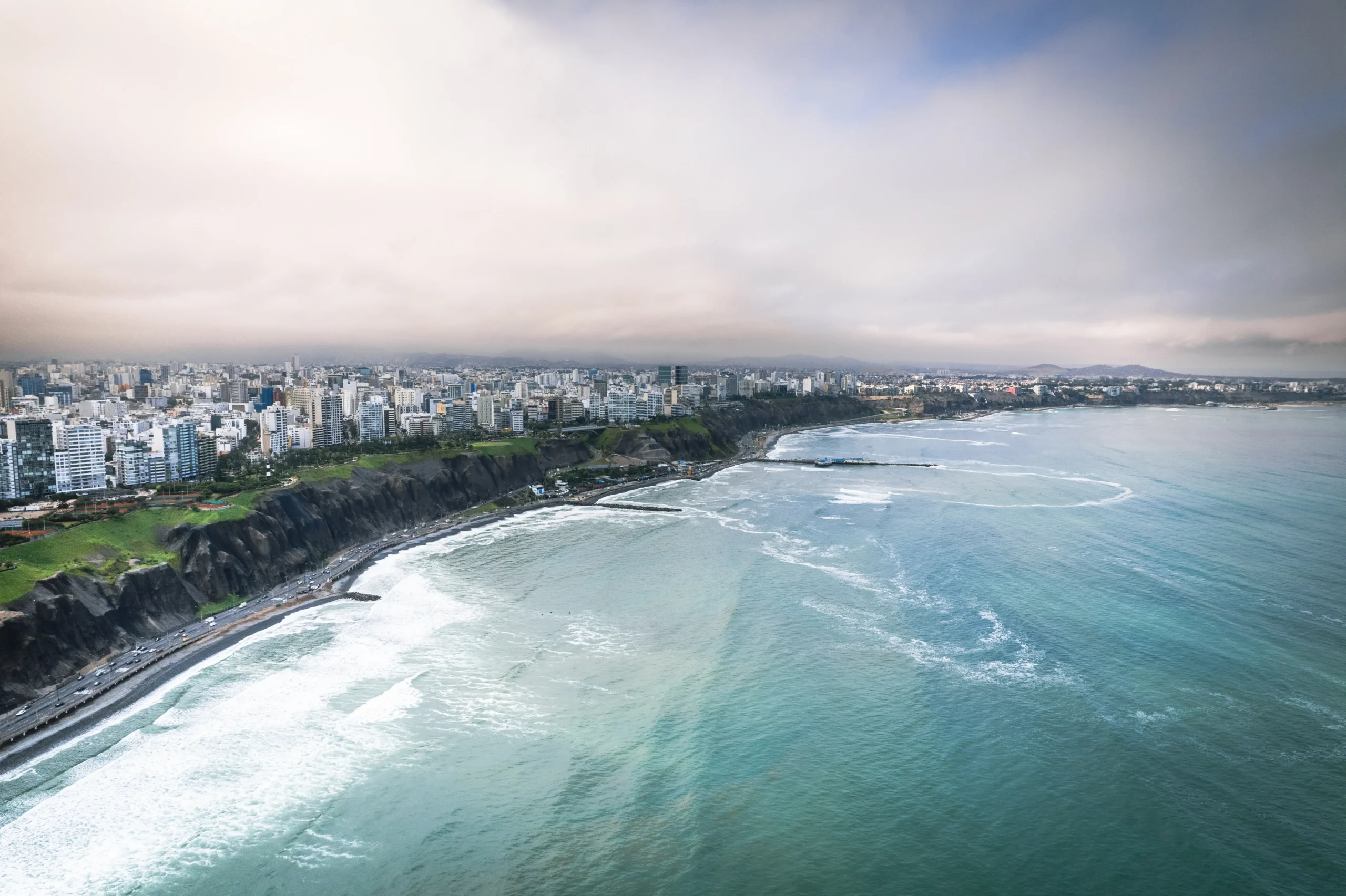
Lima is the entry point for almost all visitors to Peru — the Jorge Chávez International Airport (LIM) is the country’s main international hub, with direct connections from Miami, New York, London, Madrid, Santiago, and São Paulo. Most travelers arrive exhausted and spend one night before flying to Cusco. That’s a shame, because Lima rewards an extra day or two.The city of 11 million people sprawls across 2,800 km² of Pacific coast desert and sits at just 154 m above sea level — a profound contrast to Cusco’s 3,400 m. Lima’s coastline neighborhoods of Miraflores and Barranco are some of the most pleasant urban environments in South America: cliffside parks above the Pacific, world-class seafood restaurants, mid-century modernist architecture, and galleries full of contemporary Peruvian art.Lima has also become one of the world’s great food cities. Three Lima restaurants appear in the global top 50 (Central, Maido, and Astrid & Gastón). Peruvian cuisine — built on ceviche, causas, tiraditos, and cuy — draws food tourists from across the world. A Lima food tour is worth booking even on a 24-hour layover.
Tours in Lima
0 toursNo tours found in Lima
Try different filters
Why visit Lima
- Huaca Pucllana — A 1,700-year-old Lima culture pyramid rising from the middle of Miraflores; you can walk its platforms at night with the glass-walled restaurant beside it
- Larco Museum (Museo Larco) — The finest collection of pre-Columbian gold and pottery in the world; the famous Erotic Gallery displays Moche ceramic art from 200 CE
- Miraflores cliffs (Malecón) — Paragliding from the cliff edge over the Pacific; the best city skyline views in Lima
- Barranco neighborhood — Lima's bohemian art district: murals, galleries, colonial architecture, Puente de los Suspiros (Bridge of Sighs), and the best craft cocktail bars in the city
- Historic Center (Centro Histórico) — UNESCO World Heritage Site: Plaza Mayor, the Cathedral, Palacio de Gobierno (changing of the guard at noon), and the ornately carved wooden balconies of the old colonial palaces
- Catacombs of San Francisco — 25,000 bones arranged in geometric patterns beneath the 17th-century monastery; one of Lima's most visited underground sites
- Mercado de Surquillo — Lima's premier local food market; the best place to taste 50+ Peruvian chili varieties, exotic fruits from the jungle, and fresh ceviche ingredients
Best time to visit Lima
Summer (December–April) is Lima's best season: clear blue skies, temperatures 22–28°C, low humidity, and the Pacific warm enough for swimming. January and February are the warmest months.
Winter (May–November) is Lima's grey season: a persistent coastal fog called «garúa» blankets the city, keeping temperatures at 14–18°C and skies overcast. It never rains properly (Lima averages only 8 mm of rain per year), but the persistent grey dampens the mood. Winter is paradoxically Peru's best time to visit Cusco and Machu Picchu (dry season) — Lima is the grey transit point between sunny international weather and the clear Andean dry season.
Best compromise for a Lima + Cusco trip: Arrive in Lima in May or October — the garúa is lightening, Cusco is fully in dry season, and tourist crowds are manageable.
How to get to Lima
International arrivals: Jorge Chávez International Airport (LIM) in Callao, 12 km from Miraflores. All major international airlines serve Lima. There are no direct flights to Cusco from outside Peru — Lima is the mandatory connection.
Airport to Miraflores: Official airport taxis cost S/.60–80 PEN (approx. $17–22 USD) to Miraflores. Journey time: 30–60 minutes depending on traffic. Avoid unlicensed taxi touts — use the official taxi counter in Arrivals. Uber operates from the airport (tap the app inside Arrivals).
Lima to Cusco: Domestic flights depart from the same terminal. LATAM, Avianca, and Sky Airline operate 6–10 daily flights (1h 15m, from $60 USD). Book at least 2–3 weeks in advance during peak season (July–August). There are also overnight buses (22 hours) for budget travelers with time.
What to pack for Lima
- Light layers — Lima summer is warm and humid; Lima winter is grey and cool (12–18°C)
- Compact umbrella (for garúa season, May–November)
- Comfortable walking shoes for city streets and museum visits
- Formal or smart-casual clothes if dining at top restaurants (some have dress codes)
- Sunscreen for summer visits
- Adapters for Type A/C outlets, 220V
- Unlocked smartphone for local SIM (excellent 4G coverage throughout Lima)
Lima Itinerary
Day 1: Arrival + Miraflores
Land at LIM, transfer to Miraflores hotel. Afternoon: walk the Malecón cliffs, visit Huaca Pucllana at sunset. Dinner in Miraflores (try La Mar for ceviche or Isolina for traditional home-style Peruvian food).
Day 2: City Tour + Barranco
Morning: Lima city tour — Historic Center, San Francisco Catacombs, Plaza Mayor. Lunch: ceviche in the Surquillo market. Afternoon: Barranco neighborhood walk — Puente de los Suspiros, galleries, graffiti art. Evening: pisco sour at a rooftop bar. Optional: Larco Museum (open until 22:00).
Day 3: Departure to Cusco
Early morning flight to Cusco (most flights depart 06:00–08:00 am). Arrive Cusco by 09:00 am. Rest and acclimatize — start the Cusco portion of your trip.
FAQ about Lima
4Is Lima safe for tourists?
Miraflores and Barranco are very safe for tourists and comparable to major European city neighborhoods. The historic center is safe during the day but requires standard precautions at night. Avoid La Victoria, El Agustino, and Callao (beyond the airport area) without local guidance. Petty theft (phone snatching, pickpocketing on public buses) occurs — keep phones in pockets, avoid public bus displays of valuables, and use taxi apps or hotel-recommended drivers after dark.
How long should I spend in Lima?
1–2 days is enough for the highlights: Miraflores, Barranco, a food experience, and the Historic Center. If you're a serious food traveler or want to visit the Larco Museum in depth, plan 3 days. Most travelers to Peru use Lima as a 1-night transit point — which is logistically fine but misses the city's character. We recommend building at least 2 nights into your Lima stay.
What is the best neighborhood to stay in Lima?
Miraflores is the most convenient for first-time visitors: safe, walkable, excellent restaurant scene, and well-connected to the airport and Historic Center. Barranco is more atmospheric and creative but slightly further from main transport links. San Isidro is the business/financial district — good hotels but less character for leisure travelers. Avoid the Historic Center for overnight stays — limited tourism-focused accommodation and security concerns at night.
Do I need a visa for Peru?
Citizens of the USA, EU, UK, Canada, Australia, and most Latin American countries do not need a visa for Peru — they receive a tourist stamp on arrival (90 days, extendable). Passport must be valid for at least 6 months beyond your intended stay. A return or onward ticket is technically required for entry and may be checked. Check with your country's embassy for current requirements if you hold a less common passport.
Official endorsement
Associations & Certifications
We operate under the regulations and standards of Peru's leading tourism entities.