



Puno & Lake Titicaca
Tours in Puno & Lake Titicaca, Peru
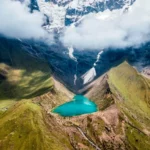
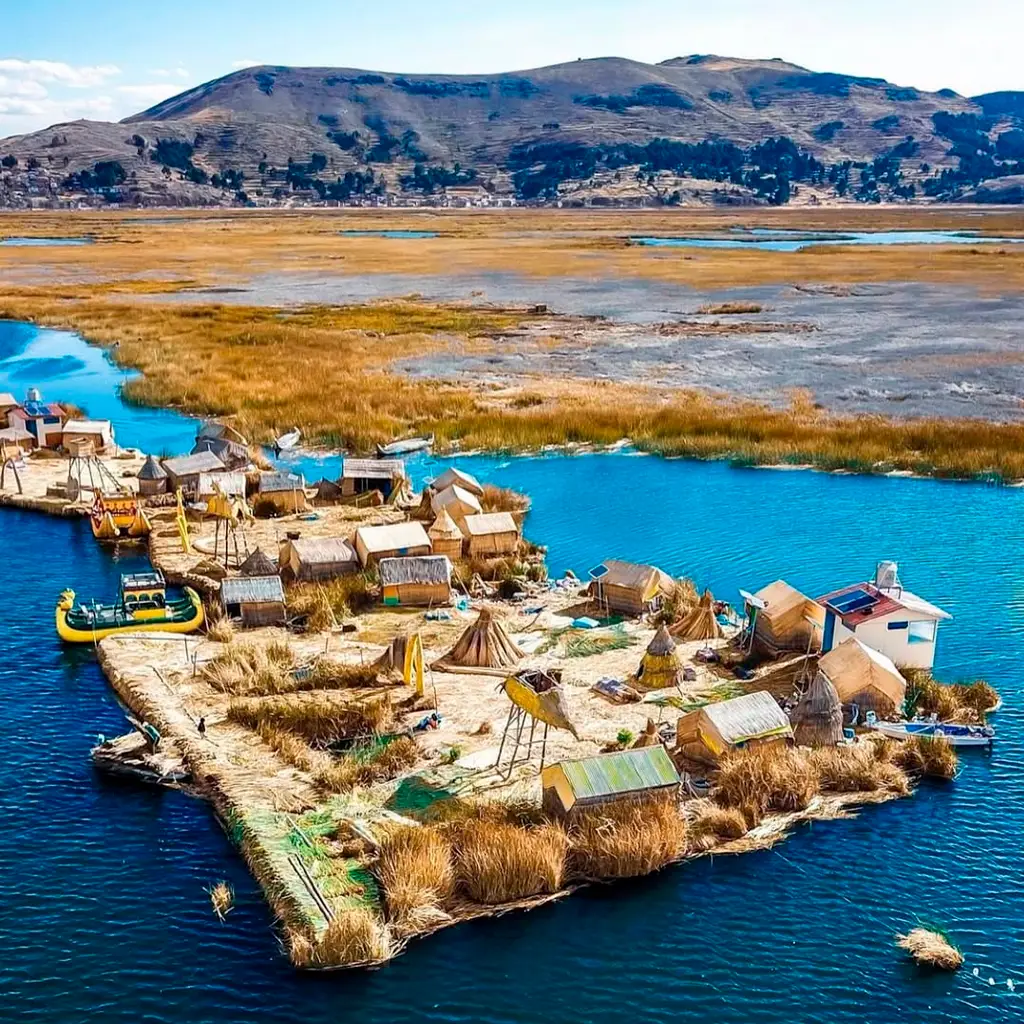
Lake Titicaca sits at 3,827 m (12,556 ft) above sea level on the Bolivian-Peruvian altiplano — the highest navigable lake on earth. It measures 190 km by 80 km and contains 41 islands, numerous peninsulas, and communities that have inhabited its shores continuously for over 4,000 years. The Inca believed Titicaca was the birthplace of the sun — that Inti, the sun god, emerged from the waters of the lake and created the first Inca dynasty.The lake’s most famous residents are the Uros people, who live on 100+ artificial floating islands built entirely from totora reeds. The islands, boats, and houses are all made from the same buoyant reed. The Uros originally built these floating islands to protect themselves from the aggressive Inca expansion — floating free on the lake, they could always relocate.Beyond the Uros, the islands of Taquile and Amantaní offer one of the most authentic rural homestay experiences in South America. The Taquile community maintains a centuries-old textile tradition recognized by UNESCO as Intangible Cultural Heritage — the island’s men knit complex chullos (wool hats) and fajas (belts) that encode social status and marital status in the pattern.
Tours in Puno & Lake Titicaca
0 toursNo tours found in Puno & Lake Titicaca
Try different filters
Why visit Puno & Lake Titicaca
- Uros floating islands — Visit 2–3 of the inhabited reed islands, watch a totora boat demonstration, and understand how a community built an entire civilization on floating vegetation
- Taquile Island — 2-hour boat ride from Puno; hike the stone staircase to the top of the island for panoramic lake views; lunch of freshwater trout; watch men knitting their famous chullos
- Amantaní Island overnight — Stay with a Quechua family in a traditional stone house; attend an evening ceremony in traditional dress; wake to a sunrise over the lake from 4,150 m
- Puno Cathedral — 18th-century mestizo baroque church on the Plaza de Armas; one of the finest examples of Andean-Spanish architectural fusion on the altiplano
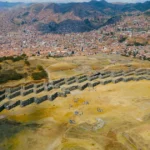
- Sillustani chullpas — Pre-Inca funeral towers (chullpas) overlooking Laguna Umayo, 34 km from Puno; the Colla culture's monumental architecture predates Inca conquest by 400 years
- Titicaca sunset from the water — The lake turns copper and crimson at sunset; impossible to photograph badly from the water at that hour
Best time to visit Puno & Lake Titicaca
Dry season (April–November) is ideal: calm lake conditions for boat tours, clear skies for photography, and consistent cold nights (3–8°C). May–September is peak season. The lake is surprisingly cold year-round — water temperature stays around 13–15°C regardless of air temperature.
Wet season (December–March) brings afternoon rain and rougher lake conditions that can cancel boat tours or make them uncomfortable. January and February are the wettest months. However, the altiplano grasslands turn vivid green and the lake fills with migratory birds during wet season, which has its own beauty.
Altitude note: At 3,827 m, Puno is higher than Cusco. If traveling the circuit Cusco → Puno, you've acclimatized. If flying directly to Puno from sea level, plan an extra rest day on arrival.
How to get to Puno & Lake Titicaca
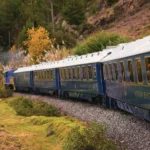
From Cusco by train: PeruRail's Andean Explorer operates a luxury tourist train between Cusco and Puno (10 hours scenic route; approximately $100–150 USD one-way). Comfortable and scenic — the journey crosses the highest point on the PeruRail network at 4,319 m. Departs twice weekly.
From Cusco by bus: Daily buses on the Cusco–Puno route (~6 hours via Raya Pass 4,335 m). Tour operators run combined tickets that stop at Andahuaylillas, Raqchi, La Raya, and Pucara — a worthwhile cultural detour. Economy buses from S/.30 PEN; tourist buses with stops from S/.80 PEN.
From Arequipa: 5-hour bus journey. Nightly bus services available. This route completes the classic Southern Circuit (Lima → Arequipa → Colca → Puno → Cusco).
Bolivia connection: Many travelers continue from Puno to La Paz, Bolivia via Copacabana on the lake's Bolivian side. Buses depart Puno daily and cross the border at Kasani/Copacabana.
What to pack for Puno & Lake Titicaca
- Very warm clothing — nights at 3,827 m drop to 0–5°C year-round; down jacket is essential
- Warm hat and gloves (wind on the lake amplifies cold dramatically)
- Windproof outer layer for boat tours
- Comfortable walking shoes or light hiking boots for island hikes
- Seasickness medication if prone to motion sickness (lake can be choppy in afternoon)
- Sunscreen SPF 50+ and UV sunglasses (UV is extreme at 3,827 m altitude)
- Water bottle and snacks for day trips
- Small gifts for overnight homestays (fruit, school supplies) — culturally appropriate and appreciated
- Cash only — no card machines on the islands
Puno & Lake Titicaca Itinerary
Day 1: Arrival in Puno
Arrive by bus or train from Cusco. Check in to hotel near the Plaza de Armas. Afternoon rest — altitude acclimatization. Evening: walk the Jirón Lima pedestrian street and Plaza de Armas. Dinner: chupe de camarones or chairo (traditional altiplano soups).
Day 2: Uros Islands + Taquile Island
07:30 am: boat departs Puno harbor. 45 minutes to Uros — 2 hours on 2–3 floating islands. Continue to Taquile Island (1.5 hrs). Hike to the summit plaza. Traditional lunch of quinoa soup and lake trout. Return to Puno by 18:00.
Day 3: Sillustani Ruins + Departure
Morning: half-day tour to Sillustani chullpa towers (1.5 hrs each way). Return to Puno by 13:00. Afternoon: depart by bus or train to next destination.
FAQ about Puno & Lake Titicaca
4Are the Uros Islands authentic or a tourist show?
Both — and that's not a contradiction. The Uros do live on the floating islands year-round; the islands are real, the construction technique is real, and the community has inhabited the lake for centuries. However, the closest islands to Puno have become heavily tourist-oriented over the decades, and some performances feel rehearsed. For a more genuine experience, ask your operator to take you to the outer islands (30–40 minutes further), where fewer tourists arrive and community life is less disrupted.
Is Taquile Island worth the full-day visit?
Yes — strongly. The boat ride (2 hours each way), the hike to the summit (45 minutes, 200 m altitude gain), the panoramic views over the lake, and the genuine textile tradition make Taquile one of the most authentic cultural experiences in Peru. The trout lunch at the summit is excellent. The island has no vehicles, few tourist facilities, and a real community rhythm that most tourist sites in the region don't have.
How cold does it get at night in Puno?
Puno nights are cold year-round — typically 0–8°C even in summer. In winter (June–August), temperatures regularly drop below 0°C and can reach -10°C in July. A good down jacket, hat, and gloves are essential at any time of year. Accommodation in Puno varies in heating quality — ask specifically about heating when booking.
Can I cross from Puno to Bolivia at Lake Titicaca?
Yes — the most scenic border crossing is via Copacabana (Bolivia). Daily tourist buses depart Puno, crossing at the Kasani/Copacabana border. The journey to La Paz takes about 5–6 hours total including the border crossing and a short boat ferry across the Tiquina strait. Most travelers need to check Bolivia visa requirements in advance (some nationalities require visas; US, EU, UK, Australian citizens do not for short stays).
Official endorsement
Associations & Certifications
We operate under the regulations and standards of Peru's leading tourism entities.