Huchuy Qosqo Inca Archaeological Site Cusco
Huchuy Qosqo Inca Ruins Sacred Valley
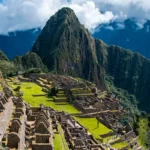
Machu Picchu Citadel Panoramic Peru
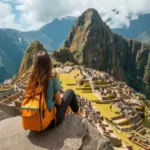
Machu Picchu Hero Panoramic Peru
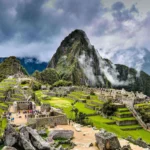
Machu Picchu Inca Citadel Huayna Picchu Peru
Machu Picchu Inca Citadel Peru
Machu Picchu Inca Ruins Andean Mountains
Machu Picchu Inca Site Peru
1 / 8

Huchuy Qosqo Trek + Machu Picchu 3 Days: The Perfect Inca Combination (2026)

3 days / 2 nights
  • Availability Daily departures
  • Transport Hotel pickup
  • Languages Spanish, English
  • Service type Not specified
  • Cancellation policy Not specified
  • Maximum altitude 4,393m (14,413 ft) m.s.n.m.

About this activity

The Huchuy Qosqo Trek takes you from the traditional Inca market town of Chinchero, across a 4,393m mountain pass, and down to one of the least-visited complete Inca palaces in Peru — a royal estate perched 700 meters above the Sacred Valley with unobstructed views of the entire Urubamba basin. Most visitors to Cusco never hear of it. The few who make the trek consistently describe it as one of their most memorable days in Peru.

This 3-day combination pairs that trek with a full visit to Machu Picchu — the world’s most famous Inca site — creating the logical progression: first the solitude of a forgotten Inca citadel seen by perhaps 30 people per day, then the grandeur of the most extraordinary Inca construction of all, arriving by train from the Sacred Valley as Pachacútec’s court once did.

Day 1 is the full Huchuy Qosqo trek (15 km, high-altitude pass, camping above the ruins). Day 2 is the journey to Aguas Calientes via the Sacred Valley and train from Ollantaytambo. Day 3 is a full guided morning at Machu Picchu.

Price: $380 USD per person. Includes all camping equipment, 1 hotel night, train, Machu Picchu entrance, and all meals from Day 1 lunch.


Why Choose This Tour?

  • Chinchero (3,762m) — Inca market town, trek start
  • Laguna Piuray (3,900m) — high-altitude Andean lake
  • Paso Pucajasa (4,393m) — panoramic pass
  • Huchuy Qosqo (3,650m) — ‘Small Cusco’ Inca citadel
  • Lamay, Sacred Valley (2,938m) — end of trek
  • Ollantaytambo (2,792m) — Inca fortress, train to Machu Picchu
  • Aguas Calientes (2,040m) — hotel night
  • Machu Picchu (2,430m) — full guided tour

Itinerary

01
Day 01

Cusco → Chinchero → Huchuy Qosqo Trek → Camp (~3,800m)

06:00 h — Hotel pickup in Cusco. Private transport approximately 45 minutes northwest to Chinchero (3,762m).

Chinchero is one of the most traditional Quechua market towns in the Cusco region. The town occupies the ruins of an Inca palace — the main colonial church was built directly on top of an Inca wall, which remains visible at the foundation. On market days (Sunday, occasional weekdays), women in traditional dress sell handwoven textiles from the region's weaving cooperatives. Your guide provides a brief orientation at the trailhead before the hike begins.

~07:30 h — Trek begins. From Chinchero, the trail traverses the altiplano southeast toward Laguna Piuray. The terrain is open — planted fields, stone corrals, and traditional agriculture at 3,700–3,900m. The Andes are unusually soft in this section: rounded hills, wide sky, herds of cattle and sheep.

~08:30 h — Laguna Piuray (3,900m). One of the largest natural lakes in the Cusco region, set in a mountain bowl at altitude. The lake is dark, still, and quiet — a sharp visual contrast to the open fields above. The trail follows the eastern shore for approximately 30 minutes. Waterbirds (Andean coots, ducks, and occasionally flamingos) are present on the lake margins.

~09:30 h — Ascent to the pass begins. From Laguna Piuray, the trail climbs steadily through progressively sparser puna vegetation toward the ridgeline. The gradient is moderate — sustained uphill for approximately 2 hours, with the Piuray basin visible behind you and nothing but sky ahead.

~11:30 h — Paso Pucajasa (4,393m) — the highest point of the trek. At this elevation, the panorama extends across the Cordillera Urubamba in all directions: the peaks of Nevado Verónica (5,682m) and Nevado Chicon (5,438m) to the northeast, the Sacred Valley floor visible 1,400m below to the southeast, and the distant Vilcabamba range to the west. On clear days, Salkantay (6,271m) is visible above the Chicon group.

Lunch at or near the pass. Wind at the pass can be cold; your guide ensures a sheltered lunch spot.

~13:30 h — Descent toward Huchuy Qosqo. From the pass, the trail descends steeply for approximately 45 minutes to the ruins. The first structures of Huchuy Qosqo appear at the ridgeline edge — terraces cascading down into the valley, then the principal temple group.

~14:30 h — Huchuy Qosqo (3,650m). Guided exploration of the ruins. The site consists of two principal elements:

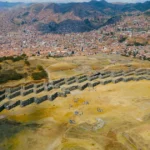
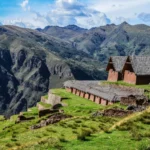
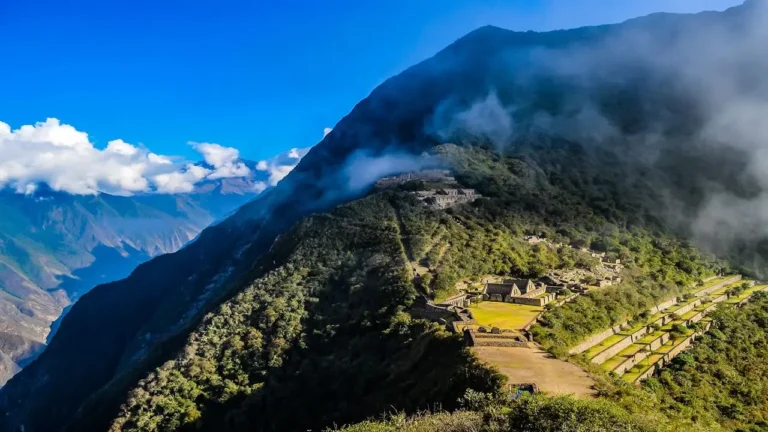
The Palace Complex (Upper Group): The main structures, attributed to Viracocha Inca (r. ~1410–1438 CE), include large kallancas (ceremonial halls up to 30m long), a principal temple with double-jamb doorways, and a central plaza. The ashlar stonework is of consistent high quality — fine-fitted polygonal blocks without mortar. One of the large kallancas has its complete wall standing to near-original height, giving a clear sense of scale that smaller, more heavily ruined sites cannot. The complex was excavated by Gary Ziegler in the 1990s; his survey identified the site as a substantial royal estate rather than a military installation.

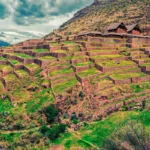
The Agricultural System: Below the palace group, Inca terraces descend toward the Sacred Valley. The terracing serves both agricultural and stabilization purposes — preventing landslides on the steep slope while maximizing cultivable surface. The terrace engineering at Huchuy Qosqo uses the same double-wall-fill construction as the famous terraces at Pisac and Moray, built to last indefinitely without maintenance.

The View: From the main plaza, the Sacred Valley floor is visible 700 vertical meters below — Calca, Lamay, and the green agricultural valley between them, with the Urubamba River threading through. The view was intentional — Inca royal estates were positioned for prospect, combining defensibility with aesthetic control over the landscape below.

~16:00 h — Descent to Lamay (2,938m) in the Sacred Valley. Approximately 1.5 hours of steep descent on a good path.

~17:30 h — Camp in the Lamay area or in a simple guesthouse near the valley floor. Dinner prepared by the cook team.

Camp or guesthouse Night 1: Lamay area (~2,938m)


02
Day 02

Lamay (Sacred Valley) → Ollantaytambo → Train → Aguas Calientes

07:00 h — Breakfast.

~08:00 h — Private vehicle from Lamay through the Sacred Valley to Ollantaytambo (2,792m) — approximately 35 km, 45 minutes west along the valley. The Sacred Valley at this lower elevation (2,800–3,200m) is Peru's most productive agricultural zone — the Urubamba River's climate, irrigation infrastructure, and Inca-era terrace systems support maize, quinoa, potato, and vegetable cultivation that feeds Cusco.

Ollantaytambo is the best-preserved functioning Inca town in Peru — still inhabited on its original Inca grid, with water channels running through every block and the ruins of a vast unfinished Inca fortress-temple above the town. Your guide provides a 30–45 minute walking tour of the town and lower fortress terraces.

The main fortress was the site of the only recorded Inca military victory over the Spanish in open battle: in January 1537, Manco Inca lured Hernando Pizarro's force of 70 cavalry and 30 foot soldiers into the valley, flooded it by diverting the Urubamba River, and drove them back to Cusco. The Spanish returned in force 2 months later; Manco Inca retreated to Vilcabamba. The fortress remained unfinished — work had just begun on the principal sun temple at the upper level when it was abandoned.

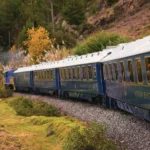
~13:00 h — Train from Ollantaytambo to Aguas Calientes (1.5 hours through the Urubamba gorge). The gorge is one of the most dramatic landscape transitions in Peru — from the open Sacred Valley (3,200m) to the subtropical cloud forest canyon (2,040m) in 60 minutes, as the river drops through vertical granite walls and the vegetation changes from highland agriculture to tropical epiphytes. This train route is itself worth experiencing.

~14:30 h — Aguas Calientes (Machu Picchu Pueblo). Hotel check-in. Afternoon free — restaurants on the main street, optional thermal baths (Baños Termales, S/. 30 PEN). Dinner at the hotel or independently.

Evening briefing with the guide on the Machu Picchu tour structure for Day 3.

Hotel night 2: Aguas Calientes (~2,040m)


03
Day 03

Aguas Calientes → Machu Picchu → Train → Cusco

05:00 h — Breakfast at hotel.

05:30 h — Bus to Machu Picchu (25 minutes). First morning entry.

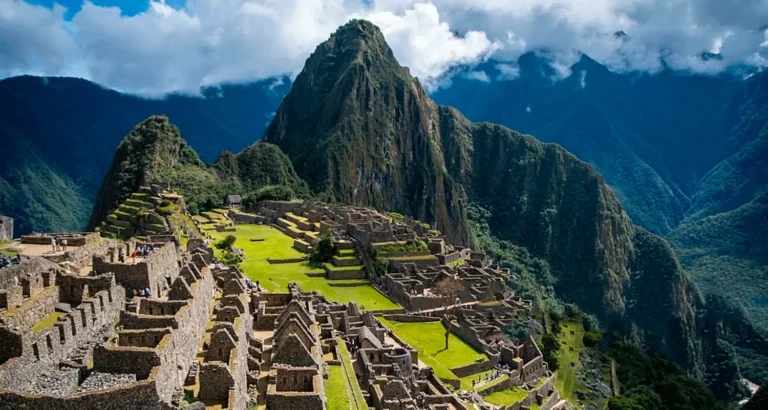
~06:00 h — Machu Picchu guided tour (2.5 hours). The standard Circuit 2 covers all principal sectors: Intihuatana stone, Temple of the Sun, Royal Tomb, Principal Temple, Temple of the Three Windows, Sacred Plaza, agricultural terraces, and residential/industrial sectors.

Your guide draws connections between what you saw at Huchuy Qosqo on Day 1 and what you see at Machu Picchu — the same architectural vocabulary (double-jamb doorways, trapezoidal niches, fountain groups, terrace engineering) at different scales. Huchuy Qosqo was likely built under Viracocha Inca (Day 1); Machu Picchu was built under Pachacútec (his son and successor). The stylistic continuity and the escalation in scale are directly visible when you have seen both.

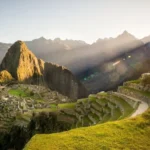
Machu Picchu was built approximately 1438–1450 CE as a royal estate and religious sanctuary — the same typology as Huchuy Qosqo, at an order of magnitude larger in ambition and resources. The site covers 530 hectares, includes 200+ structures, 700 terraces, a 749-meter aqueduct, and multiple solar and astronomical alignments. It was abandoned within a century of construction and never found by the Spanish. Hiram Bingham III visited on July 24, 1911.

~08:30 h — Free time inside Machu Picchu.

~10:30–11:00 h — Exit. Bus down to Aguas Calientes. Lunch on your own.

~14:00–15:30 h — Train Aguas Calientes → Ollantaytambo (1.5 hours).

~17:30–18:00 h — Private transport back to Cusco.


What's included

Inclusions

  • Meals
    • 1 night hotel in Aguas Calientes (private room with breakfast)
    • Meals: Day 1 lunch + dinner; Day 2 breakfast; Day 3 breakfast
  • Tickets & Permits
    • Machu Picchu Circuit 2 entrance ticket
  • Guide
    • MINCETUR-certified bilingual guide
  • Transportation
    • Hotel pickup and return to Cusco
    • Private transport Cusco → Chinchero (Day 1) and Lamay → Ollantaytambo (Day 2)
    • Train Ollantaytambo → Aguas Calientes (Day 2)
    • Train Aguas Calientes → Ollantaytambo (Day 3)
    • Consettur bus Aguas Calientes ↔ Machu Picchu (Day 3)
  • Equipment
    • 1 night camping (sleeping bag, tent, camp mattress)
  • Other
    • First aid kit

Frequently Asked Questions

Is a Cusco Tourist Ticket required for Huchuy Qosqo?

Yes. The ruins are managed by the Dircetur Cusco regional authority under the Boleto Turístico circuit system. Circuit 3 (which includes Huchuy Qosqo, Moray, Chinchero, and Pisac) costs approximately S/. 70 PEN; the full BTC (~S/. 130 PEN) includes all 16 sites. We recommend purchasing in advance in Cusco; it is available at the Cusco Tourist Office on Avenida El Sol and at participating sites.

How crowded is Huchuy Qosqo compared to Machu Picchu?

Huchuy Qosqo typically receives 20–50 visitors per day; Machu Picchu receives 4,000–5,000. You are unlikely to share the Huchuy Qosqo ruins with more than a dozen people at any given time. This comparison is useful for setting expectations: the experience at Huchuy Qosqo is more intimate, quieter, and more atmospheric; Machu Picchu is larger, more impressive in scale, and significantly more crowded.

Do I need to book the Machu Picchu entrance in advance?

Yes. Machu Picchu entrance is capacity-limited; we book your ticket as part of the tour reservation. We need your full legal name, passport number, and nationality at time of booking. Available circuits: Circuit 2 (standard full citadel tour) is included. Huayna Picchu and Machu Picchu Mountain are separate permits; request them at the time of booking if desired.

Can I do this tour without camping — with a hotel near Huchuy Qosqo?

There is no hotel at or near Huchuy Qosqo. The camping night in the Lamay area is the standard accommodation. A basic guesthouse or homestay in Lamay is available as an upgrade for an additional fee. If you absolutely prefer not to camp, the Huchuy Qosqo 2-day trek (different route, camping at ~3,800m) and a separate Machu Picchu day trip can be booked independently.

What's the best order to do this tour vs. other Cusco activities?

Recommended sequence: arrive Cusco → 2–3 days acclimatizing (city tour, Sacsayhuamán) → Huchuy Qosqo + Machu Picchu 3 days → return to Cusco. The trek's high point (4,393m) requires acclimatization; the Machu Picchu descent to 2,040m helps recovery. Do not schedule this as your first activity in Cusco.

Can’t find the answer to your question?

Get in touch with the experts at Travel Peru Tours for your inquiry.

Ask a question

Traveler reviews

From

$380 USD

Book now

Official endorsement

Associations & Certifications

We operate under the regulations and standards of Peru's leading tourism entities.

MINCETUR DIRCETUR GERCETUR ESSNA Marca Perú SUNAT Authorized Operator TripAdvisor GetYourGuide Viator WeTravel Y tú qué planes Peru Rail