
Salkantay Trek 5 Days from Cusco: Guide + Tour 2026

Salkantay Trek 5 days / 4 nights
  • Availability Daily departures
  • Transport Hotel pickup
  • Languages Spanish, English
  • Service type Not specified
  • Cancellation policy Not specified
  • Maximum altitude 4,600m (15,092 ft) m.s.n.m.

About this activity

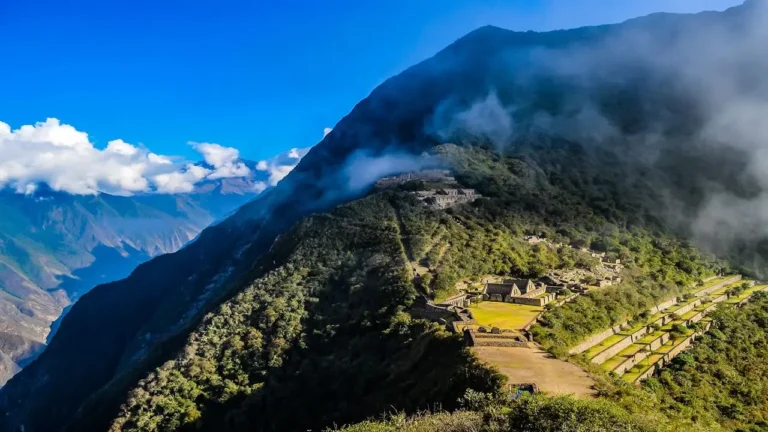
The Salkantay Trek is the most spectacular alternative route to Machu Picchu — 74 km through five completely different ecosystems, from frozen glacial tundra at 4,600m to steaming subtropical jungle, passing Humantay Lake, ancient Inca ruins at Llactapata, and coffee-covered hillsides before arriving at the UNESCO World Heritage citadel on Day 5. Named one of the top 25 treks in the world by National Geographic Adventure, the Salkantay route is longer, higher, and wilder than the Classic Inca Trail — and requires no permit, no advance booking limits, and no lottery. From $450 USD per person, fully supported with bilingual guides, a professional cook, and pack horses.

Quick comparison: Most agencies charge $695+ for this same 5-day route. Our price is $450 — a $245 saving per person with no difference in service quality.


Why Choose This Tour?

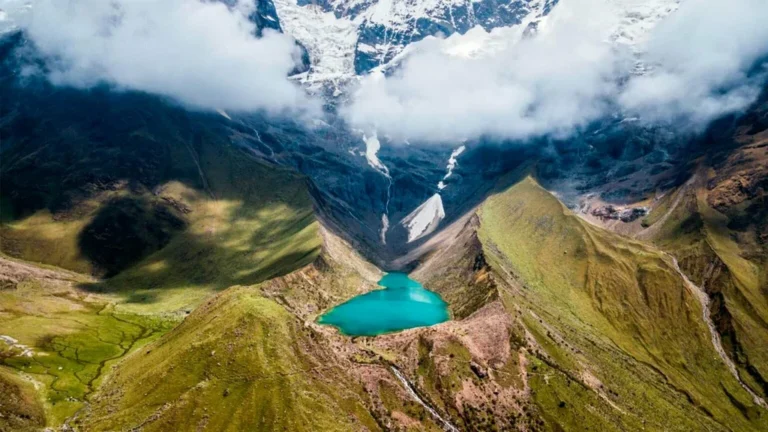
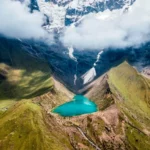
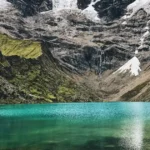
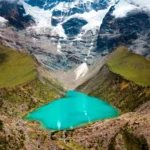
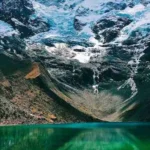
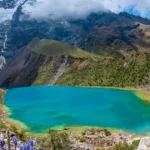
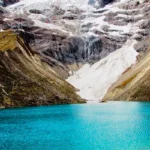
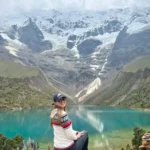
  • Humantay Lake (4,200m) — turquoise glacial lake
  • Salkantay Pass (4,600m) — highest point of the trek
  • Nevado Salkantay (6,271m) — sacred Inca peak
  • Subtropical cloud forest — coffee and passion fruit farms
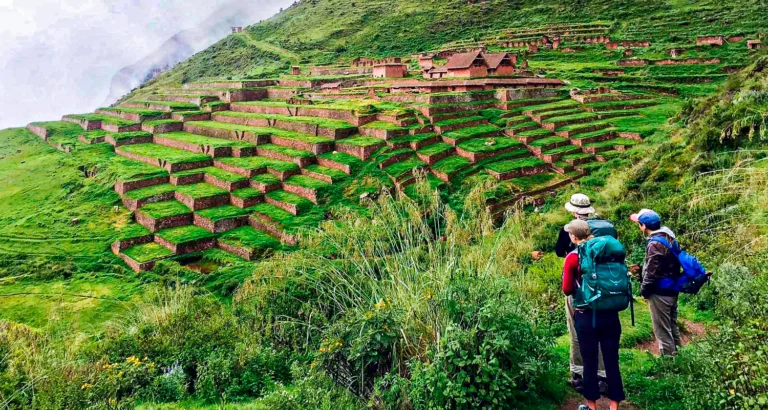
  • Llactapata Ruins (2,700m) — panoramic view of Machu Picchu
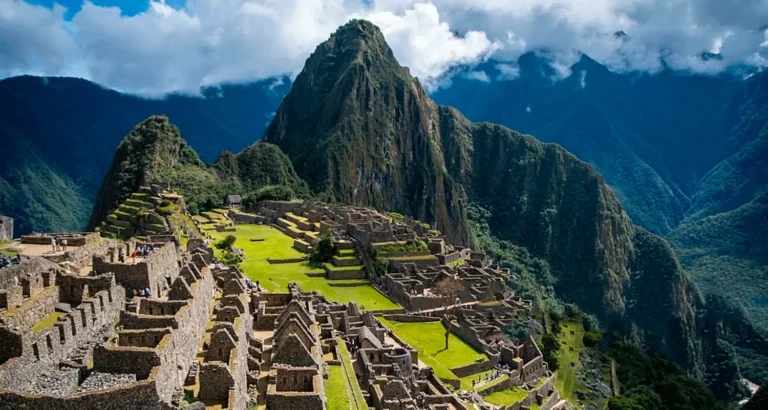
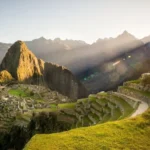
  • Machu Picchu (2,430m)

Itinerary

01
Day 01

Itinerario

Salkantay Trek 5 Days from Cusco to Machu Picchu (2026 Complete Guide)

  • Daily departures year-round — does not close in February
  • Shared group service (max 16 people)
  • Bilingual guide certified by MINCETUR
  • Free cancellation
  • Hotel pickup in Cusco
  • No permit required

The Salkantay Trek is the most spectacular alternative route to Machu Picchu — 74 km through five completely different ecosystems, from frozen glacial tundra at 4,600m to steaming subtropical jungle, passing Humantay Lake, ancient Inca ruins at Llactapata, and coffee-covered hillsides before arriving at the UNESCO World Heritage citadel on Day 5. Named one of the top 25 treks in the world by National Geographic Adventure, the Salkantay route is longer, higher, and wilder than the Classic Inca Trail — and requires no permit, no advance booking limits, and no lottery. From $450 USD per person, fully supported with bilingual guides, a professional cook, and pack horses.

Quick comparison: Most agencies charge $695+ for this same 5-day route. Our price is $450 — a $245 saving per person with no difference in service quality.


What's included

Inclusions

  • Meals
    • 4 breakfasts + 4 lunches + 4 dinners (cooked on trail)
    • 1 night hotel in Aguas Calientes (twin shared, breakfast)
  • Tickets & Permits
    • Machu Picchu entrance ticket
  • Guide
    • Bilingual guide certified by MINCETUR (full 5 days)
  • Transportation
    • Private transport Cusco → trek start and Ollantaytambo → Cusco
    • Round-trip bus Aguas Calientes ↔ Machu Picchu
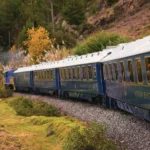
    • Return train (Aguas Calientes → Ollantaytambo, Vistadome class)
  • Equipment
    • Professional cook + full kitchen equipment
    • Pack horses for group gear
    • Full camping equipment (tents, sleeping mats, dining tent)
  • Other
    • Emergency oxygen + first aid kit

Frequently Asked Questions

Do I need a permit for the Salkantay Trek?

No. The Salkantay Trek requires no permit. Unlike the Classic Inca Trail (which limits entries and sells out months in advance), Salkantay can be booked any time of year with no restrictions. This makes it ideal for spontaneous travelers or those who couldn't get Inca Trail permits.

How difficult is the Salkantay Trek honestly?

Day 2 is genuinely hard — approximately 10 hours of hiking with a 700-meter elevation gain to the 4,600m pass, followed by a 1,800-meter descent. You need to be comfortable with 8+ hour hiking days. Days 1, 3, and 4 are moderate; Day 5 is easy. Most people with regular fitness (running, gym, cycling 2-3x per week) complete it without significant problems.

How does altitude affect the trek?

You start the trek above 3,900m and reach 4,600m on Day 2. Mild altitude symptoms (headache, fatigue, shortness of breath) are common and expected. Serious altitude sickness is rare on a supported trek with guides trained in altitude management. The single most important preparation is spending 2+ nights in Cusco (3,399m) before the trek starts.

What is the Salkantay Pass altitude?

4,600 meters (15,092 feet). This is the highest point of the trek and the highest point on any standard trekking route to Machu Picchu. For context, Mont Blanc (the highest peak in the Alps) is 4,808m — you're hiking within 200 meters of that altitude.

Can I do the Salkantay Trek without camping?

Yes — some operators offer a "glamping" version with fixed dome accommodations at Soraypampa and lodge accommodation at other stops. We offer the supported camping version ($450). The glamping versions typically cost $750-950+ USD.

Is the Salkantay Trek safe?

Yes, as a guided, supported trek with certified guides, emergency oxygen, and pack horses. Our guides are certified by MINCETUR (Peru's tourism ministry) and trained in wilderness first aid and altitude management. The trail itself is well-defined and not technically dangerous.

What's the weather like on the trek?

Day 2 at the pass: -5°C to -10°C, possible wind and snow. Days 3-4 in the subtropical forest: 20-25°C. The transition is one of the trek's most memorable features. Bring both a down jacket and a short-sleeve shirt in the same pack.

Can I add Huayna Picchu or Machu Picchu Mountain to the tour?

Yes, with advance notice. These tickets are limited (400 and 800 per day respectively) and sell out weeks in advance. Add-on cost: +$25-35 USD. Let us know at booking and we'll include them.

What happens if I need to leave the trek early?

If you need to exit on Day 2 or 3 due to illness or injury, it is possible to arrange transport from La Playa or Santa Teresa back to Cusco (approximately 3-4 hours by road). Our guide carries a satellite-capable phone for emergency coordination.

Is there WiFi or phone signal on the trail?

No WiFi on the trail. Movistar and Claro mobile signal exists at Soraypampa (Day 1), disappears completely for Days 2-3, and returns in Santa Teresa (Day 3). Aguas Calientes has full WiFi. Most trekkers report this disconnection as a feature, not a bug.

Can’t find the answer to your question?

Get in touch with the experts at Travel Peru Tours for your inquiry.

Ask a question

Traveler reviews

From

$450 USD

Book now

Official endorsement

Associations & Certifications

We operate under the regulations and standards of Peru's leading tourism entities.

MINCETUR DIRCETUR GERCETUR ESSNA Marca Perú SUNAT Authorized Operator TripAdvisor GetYourGuide Viator WeTravel Y tú qué planes Peru Rail