Machu Picchu Tour Package 2026: 4 Days 3 Nights Cusco + Sacred Valley + Machu Picchu
-
Availability Daily departures
-
Transport Hotel pickup
-
Languages English, Spanish
-
Service type Not specified
-
Cancellation policy Not specified
-
Maximum altitude 3762 msnm m.s.n.m.
About this activity
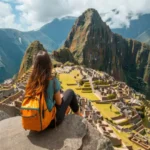
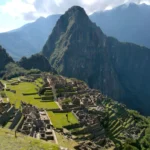
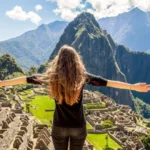
The Machu Picchu tour package combines the four essential experiences of the Cusco region into one seamless 4-day itinerary: the Cusco City Tour (Qoricancha, Cathedral and 4 Inca ruins), the Maras Salt Mines and Moray agricultural terraces, the Sacred Valley (Chinchero, Pisac and Ollantaytambo), and Machu Picchu reached by Expedition train. Included: airport transfers, 2 nights hotel in Cusco + 1 night in Aguas Calientes (all with breakfast), buffet lunch in the Sacred Valley, round-trip Expedition train, Machu Picchu entrance ticket and bilingual guide. This is the classic Cusco and Machu Picchu itinerary — built for first-time visitors who want to see the best of the region with full logistical support, without the stress of organizing each piece independently.
Why book 30 days ahead: Machu Picchu has a fixed daily visitor quota and sells out weeks in advance during high season (June–August, Easter, Christmas). The Expedition train from Ollantaytambo has a separate limited capacity. We secure both simultaneously — the earlier you book, the better your entry time options.
Why Choose This Tour?
- Cusco City Tour — Qoricancha, Sacsayhuaman and 4 archaeological ruins
- Maras Salt Mines + Moray agricultural terraces
- Sacred Valley — Chinchero, Pisac and Ollantaytambo
- Expedition train (Ollantaytambo ↔ Aguas Calientes)
- Machu Picchu (2,430 m) — 7th Wonder of the World
- 3 nights hotel with breakfast (2 in Cusco + 1 in Aguas Calientes)
Itinerary
Day 01
Arrival in Cusco: Acclimatization
On your flight arrival — Private transfer from Alejandro Velasco Astete International Airport (CUZ) to your hotel in Cusco's historic center (included).
Cusco sits at 3,400 m — the altitude is immediate and real. The body needs time to produce additional red blood cells and adjust breathing efficiency. Most altitude sickness (soroche) symptoms peak in the first 12–24 hours.
What to do on Day 1:
- Rest in the hotel for the first 3–4 hours after arrival
- Drink coca leaf tea (mate de coca) — the most traditional and effective Andean remedy. The alkaloids in coca leaves slightly dilate the bronchi, stimulate circulation and are used by every resident of the Andes at altitude
- Drink 2–3 liters of water throughout the day
- Avoid alcohol for the first 48 hours — it dehydrates, dilates blood vessels and significantly worsens soroche
- Afternoon: gentle walk to the Plaza de Armas, San Pedro Market or through the San Blas neighborhood — flat, slow-paced activity is fine and actually helps
Altitude medication: Acetazolamide (Diamox) is the pharmaceutical option for severe altitude sickness. Consult your doctor before the trip if you have a history of altitude sensitivity. Over-the-counter Sorojchi Pills are widely available in Cusco pharmacies and are effective for mild symptoms.
Dinner: On your own in Cusco's historic center. The Plaza de Armas and the streets surrounding it have dozens of restaurants serving Peruvian, Andean and international food at all price points.
Night in Cusco hotel (included).
Day 02
Cusco City Tour + Maras and Moray
09:00 or 13:00 hrs — Pick-up from hotel in Cusco. The City Tour includes the two main sections of the historic center plus the 4 archaeological ruins north of the city.
Qoricancha — The Temple of the Sun
The most sacred enclosure of the Inca Empire. The name in Quechua means "golden enclosure" — Spanish chronicles describe the interior walls covered in more than 700 solid gold plates, each weighing approximately 2 kg, oriented to reflect sunlight onto the altar and onto the mummies of former Inca rulers seated in positions of honor. When Francisco Pizarro captured Atahualpa in 1532, the Inca offered to fill a room 7 meters long with gold to secure his freedom — much of the gold from Qoricancha became part of that ransom.
The Dominican Convent of Santo Domingo was built directly over the Inca foundations in the 16th century. The result is one of the most architecturally dramatic confrontations in the Americas: the perfectly fitted, earthquake-resistant Inca granite walls supporting the baroque colonial structure above. When the 1950 earthquake struck Cusco, the colonial walls cracked and shifted — the Inca walls remained perfectly intact.
Cusco Cathedral
The baroque masterpiece on the main Plaza de Armas, built over 94 years (1559–1654) using stone quarried from Sacsayhuaman. Inside, 84 canvas paintings from the Cusco School of religious art — among them the famous Last Supper by Marcos Zapata (1753): Christ and the twelve apostles consuming roasted guinea pig, chicha de maíz (corn beer) and Urubamba trout — the most celebrated fusion of Andean culture with Catholic iconography in colonial art.
The 4 Inca Ruins
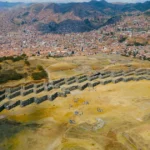
Sacsayhuaman (3,701 m) — The largest pre-Columbian structure in the Americas. Three zigzag terrace walls with blocks of gray limestone weighing up to 90 tons — larger than anything in Egypt's Great Pyramid. Construction required an estimated 20,000–30,000 workers over 20–50 years. From the main terrace, 360° panoramic views of Cusco and the Huatanay Valley. On June 24 every year, this is the site of Inti Raymi — the Festival of the Sun.
Qenqo (Quechua: "sinuous labyrinth") — A ceremonial sanctuary carved from living limestone. The zigzag channels in the rock surface were used for ritual libations of chicha and blood: the direction the liquid flowed was read as a cosmological message. The underground chamber below is believed to have been used for the mummification of Inca nobles.
Pucapucara ("Red Fortress") — The most important military checkpoint on the Cusco-Antisuyo road. The reddish color of the rocks at sunset gives the site its name. Its layered terraces, storehouses and soldiers' quarters controlled access to northern Cusco.
Tambomachay ("Ritual Baths of the Inca") — A hydraulic masterpiece: a underground spring is captured and channeled through three levels of precisely fitted Inca stone into horizontal cascading fountains. The water has flowed continuously for 600 years without any maintenance intervention.
Maras and Moray (afternoon)
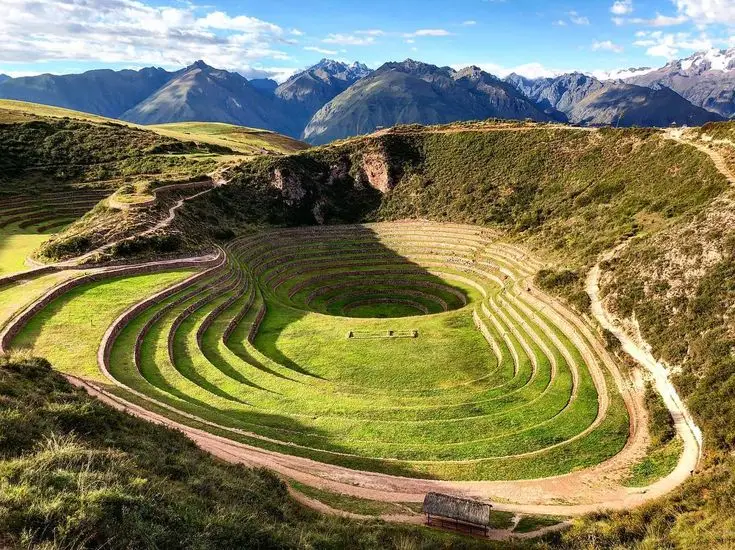
Moray (3,500 m) — Three concentric circular basins descending into the earth, each level with a different microclimate. The temperature difference between the rim and the center of the deepest basin reaches 15°C — the Inca used this to simulate the climate conditions of different ecological zones (from highland puna to lowland valleys) and test which crops thrived in which conditions. It is the most sophisticated pre-Columbian agricultural laboratory ever discovered. (Moray entrance included in the BTP tourist pass — see note below.)
Maras Salt Mines (3,380 m) — More than 5,000 white salt pools terracing the hillside of the Qaqawiñay mountain, fed by the Qoripujio underground spring — water that has filtered through ancient Cretaceous marine evaporite deposits and emerges naturally hypersaline. In the background: the glacier of Nevado Salkantay (6,271 m). The Inca gravity-distribution channel, unchanged for 600 years, still routes the brine to each family's pools. Over 400 Maras community families inherit their pools from generation to generation. (Salt Mines entrance: ~S/. 10 PEN, paid at site — not included.)
Night in Cusco hotel (included).

Day 03
Sacred Valley + Expedition Train to Aguas Calientes
06:00–06:30 hrs — Pick-up for the full-day Sacred Valley circuit. This is the logistically richest day: three Inca sites, a buffet lunch and the train to Aguas Calientes all in one day.
Chinchero (3,762 m) — "The cradle of the rainbow" in Quechua tradition. The living textile center of the Andean highlands: a complete demonstration of natural dye production and alpaca textile weaving by Chinchero Quechua community weavers. From wild plants and insects to the finished textile — the 3,000-year-old process that produces the finest Andean fabric.
Pisac (2,970 m) — The archaeological complex covers 15 km² on a mountain promontory with 20+ distinct sectors: Intihuatana (solar observatory), Qallaqasa (fortress) and the cemetery of 10,000+ tombs carved into the cliff faces. Below the ruins, the Pisac artisan market (Tuesday, Thursday and Sunday are full market days) is the largest in the Sacred Valley: alpaca textiles, handmade pottery, silver jewelry and Andean crafts at direct artisan prices.
Buffet lunch in Urubamba (included) — traditional Andean dishes at a regional restaurant: corn chowder, grilled trout from the Vilcanota, quinoa-stuffed peppers, purple corn drink (chicha morada) and fresh bread.
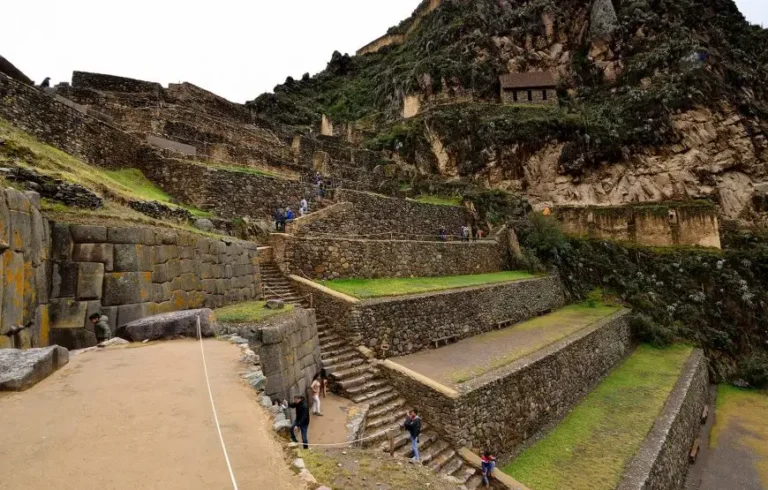
Ollantaytambo (2,792 m) — The only living Inca city in the world: its streets, water canals and residential neighborhoods maintain the exact layout of the 15th century. The Ollantaytambo Fortress has six massive pink granite monoliths — each up to 6 m tall and 50 tons — transported from the Cachicata quarry across the Urubamba River on improvised rafts and ramps. The ceremonial terraces at the front, still irrigated by Inca canals, are the best preserved in the entire Andean world. Ollantaytambo is also the Inca Trail's principal access point.
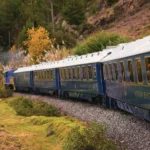
Expedition train, Ollantaytambo → Aguas Calientes (~1h45min) — The train descent through the Urubamba canyon is one of the most spectacular rail journeys in South America. The track hugs the river as the landscape transitions from open Andean valley to narrow subtropical gorge: bromeliads, giant ferns and orchids appear on the canyon walls; the river changes color from green-blue to white rapids. The altitude drops from 2,792 m to 2,040 m in 1 hour 45 minutes.
Check-in at hotel in Aguas Calientes (included). Dinner on your own. The guide delivers the briefing for Day 4: bus time, entry time, circuit, recommended viewpoints and photography tips.

Day 04
Machu Picchu + Return to Cusco
Early morning — Consettur bus from Aguas Calientes up the Hiram Bingham Road — 13 km of narrow switchback road ascending 400 meters through the cloud forest to the entrance of the Archaeological Park (30 min).
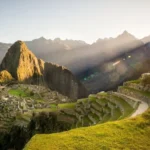
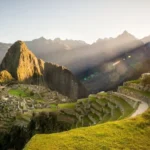
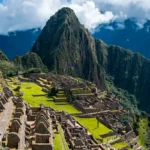
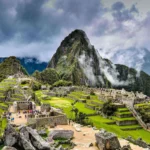
Guided tour of Machu Picchu (~2 hours) with bilingual MINCETUR guide on Circuit 2, covering the principal monuments:
- Sun Gate (Inti Punku) — The original main access point of the Inca Trail; aligned with the winter solstice sunrise
- Agricultural Sector — 100+ species cultivated on terraces with Inca drainage still functioning
- Temple of the Sun (Torreón) — Semicircular granite tower; winter solstice light enters the east window and illuminates a precise floor point at dawn on June 21
- Royal Neighborhood — The finest stonework in the citadel: joints so precise that a credit card cannot be inserted between blocks
- Intihuatana — The only intact pre-Columbian solar gnomon; casts no shadow at noon on the spring and autumn equinoxes
- Temple of the Three Windows — Three massive trapezoidal windows representing the three worlds of Andean cosmology
- Temple of the Condor — Natural rock carved to represent the sacred condor in flight
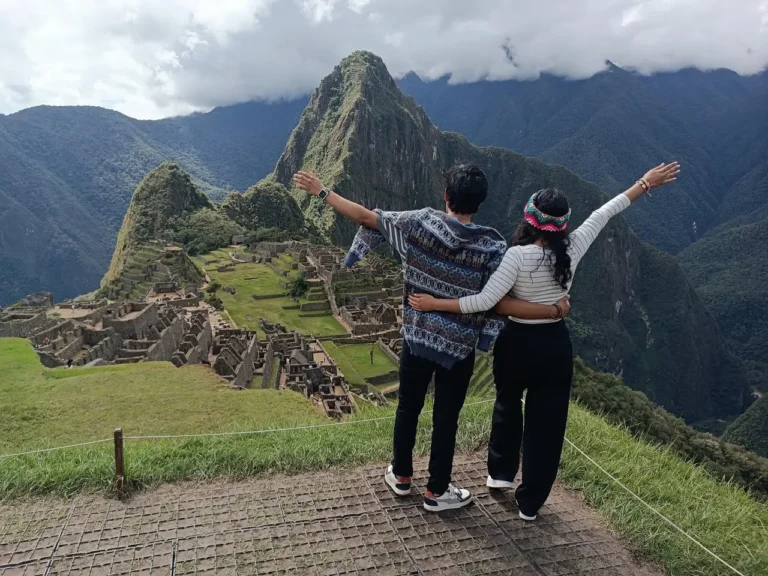
- Panoramic viewpoints — 360° views of the citadel, Huayna Picchu mountain and the Urubamba gorge 600 m below
Free time after the guided tour: explore independently, photograph from different angles, walk toward the Sun Gate or simply contemplate the citadel.
Afternoon — Consettur bus down to Aguas Calientes. Free time for lunch and optional hot springs. Return Expedition train to Ollantaytambo. Transfer by minivan to Cusco.
Airport drop-off if your flight departs that day (included). Otherwise, drop-off at Plaza San Francisco or Plaza Regocijo. End of service.

What's included
Inclusions
-
Meals
- Buffet lunch at Urubamba restaurant (Day 3)
- 2 nights 3-star hotel in Cusco + American breakfast both mornings
- 1 night 3-star hotel in Aguas Calientes + breakfast
-
Tickets & Permits
- Machu Picchu Archaeological Park entrance ticket (Circuit 2)
-
Guide
- Cusco City Tour: Qoricancha, Cusco Cathedral, Sacsayhuaman, Qenqo, Pucapucara, Tambomachay — bilingual guide
- Maras and Moray tour: transport + bilingual guide (Day 2)
- Sacred Valley tour: Chinchero, Pisac, Ollantaytambo + bilingual guide (Day 3)
- Guided tour ~2 hours at Machu Picchu — bilingual MINCETUR-certified guide
-
Transportation
- Airport transfers (arrival Day 1 + departure Day 4 or later if needed)
- Round-trip Expedition train (Ollantaytambo ↔ Aguas Calientes)
- Consettur bus up and down (Aguas Calientes ↔ Machu Picchu)
-
Other
- First aid kit on all vehicles
- 24-hour WhatsApp support
Frequently Asked Questions
What does a Machu Picchu tour package include?
A complete Machu Picchu tour package from Cusco typically includes: airport transfer, accommodation in Cusco and Aguas Calientes, the Expedition train (Ollantaytambo → Aguas Calientes), Consettur bus up and down to the citadel, Machu Picchu entrance ticket and a professional bilingual guide. Our 4-day package adds Cusco City Tour, Maras and Moray, and the Sacred Valley circuit — giving you the complete regional experience rather than just Machu Picchu in isolation.
How many days do I need for a Cusco and Machu Picchu package?
4 days / 3 nights is the practical minimum to see the key highlights of Cusco (City Tour + Maras/Moray), the Sacred Valley and Machu Picchu without rushing. For travelers who want to add Rainbow Mountain or Humantay Lake, a 5-day extension is available. For those including the Inca Trail or Salkantay Trek, plan 8–10 days total in the Cusco region.
How far in advance do I need to book a Machu Picchu package?
Minimum 30 days in low season (November–April). For high season (May–October), especially July and August, book 2–3 months ahead. For peak dates — Inti Raymi (June 24), Fiestas Patrias (July 28–29), Easter and Christmas — 3–4 months minimum. The bottleneck is always the Machu Picchu entrance quota (fixed daily) and the Expedition train capacity. Both can sell out independently.
Does the package include the Cusco Tourist Pass (BTP)?
No. The BTP (Boleto Turístico del Cusco) is managed by the Cusco Regional Government and sold separately at their ticket counters. For this 4-day package, we recommend the Full BTP (~S/. 130 PEN, ~$35 USD) which covers Sacsayhuaman, Qenqo, Pucapucara, Tambomachay, Moray, Pisac, Ollantaytambo and Chinchero — all the sites included in the City Tour and Sacred Valley days. The BTP is valid for 10 days. Machu Picchu has its own entrance ticket, which IS included in the package.
What type of train is included in the package?
The package includes the Peru Rail Expedition in standard tourist class: assigned seats, panoramic windows and audio narration of the route. The train runs Ollantaytambo → Aguas Calientes (~1h45min) and return. Upgrades to Vistadome (+$70/leg), Vistadome Observatory (+$90/leg) or the luxury Hiram Bingham train (+$250–450/leg) are available at the time of booking.
Can I go to Huayna Picchu or Machu Picchu Mountain?
Yes — but you must request it when booking. Huayna Picchu (400 spots/day, 2 shifts at 07:00 and 10:00 hrs) sells out 6–12 months ahead in high season. Machu Picchu Mountain (800 spots/day) is more accessible. Both require a separate additional entrance ticket (~$25 USD each). If you don't mention it at booking and the spots are gone for your date, we cannot add it retroactively — confirm when you first contact us.
Is the package suitable for people with altitude sickness concerns?
For most healthy adults, this package is manageable with proper Day 1 acclimatization. The altitude curve is favorable: Day 1 (3,400 m) → Day 2 (3,762 m max) → Day 4 (2,430 m — lower than Cusco). The key is Day 1 rest and hydration. If you have a history of severe altitude sickness, consult your doctor before booking and consider arriving in Cusco 2 days early. Our guides carry emergency oxygen and are trained in altitude response.
Is the Machu Picchu entrance included?
Yes. The Machu Picchu Archaeological Park entrance ticket is included in the package price. This covers access to Circuit 2 and the 2-hour guided tour. Optional mountain peaks (Huayna Picchu and Machu Picchu Mountain) are separate additional tickets not included.
What hotels are included in the 3 nights?
2 nights in Cusco: 3-star properties in the historic center, within walking distance of the Plaza de Armas. American breakfast included. Central heating, 24-hour reception. 1 night in Aguas Calientes: 3-star property near the train station. Breakfast included. 4-star upgrades are available on request. The specific hotels are confirmed at booking based on availability.
Can I customize this package?
Yes. Common modifications include: adding Rainbow Mountain (Day 5), adding Humantay Lake (Day 5), upgrading the train (Vistadome/Hiram Bingham), upgrading hotels to 4 or 5 stars, or adding Huayna Picchu/Machu Picchu Mountain. Contact us via WhatsApp with your group size and preferred dates and we'll quote the customized version.
What is the cancellation policy?
This package is non-refundable once the Machu Picchu entrance and train tickets have been purchased. These tickets are issued under the names of each traveler and cannot be transferred or refunded by Peru Rail or the Machu Picchu park. We strongly recommend purchasing travel insurance with trip-cancellation coverage before booking any Machu Picchu package.
Can’t find the answer to your question?
Get in touch with the experts at Travel Peru Tours for your inquiry.
Ask a questionTraveler reviews
Did you take this tour?
Share your experience with other travelers
Let our local experts help you plan your perfect adventure in Peru.
Write to us and we'll reply within 24 hours.
Related Tours
Related trips you might be interested in
Official endorsement
Associations & Certifications
We operate under the regulations and standards of Peru's leading tourism entities.