Machu Picchu Amazon Route 3 Days 2026: Cloud Forest, Zip Line, Cocalmayo Hot Springs + Machu Picchu
-
Availability Daily departures
-
Transport Hotel pickup
-
Languages English, Spanish
-
Service type Not specified
-
Cancellation policy Not specified
-
Maximum altitude 3800 msnm m.s.n.m.
About this activity
The Machu Picchu Amazon Route 3 Days is the extended version of the classic 2-day car route — adding an overnight in Santa Teresa that allows time for the Cocalmayo hot springs, optional zip line or canopy activities, and a more relaxed approach to the Hidroeléctrica jungle hike. Over 3 days, this route takes you from the high Andes (3,800 m) to the cloud forest (1,500 m) to the jungle floor (2,040 m) and finally to Machu Picchu (2,430 m) — a complete vertical transect of Peru’s western Andean landscape that no train journey can provide.
Why Choose This Tour?
- Scenic drive through Sacred Valley — Chicon, Salkantay and Veronica snow-capped peaks
- Santa Teresa cloud forest — subtropical jungle and mountain views
- Cocalmayo hot springs — thermal pools at 1,500 m surrounded by cloud forest
- Optional zip line or canopy at Santa Teresa (5 platforms, ~70 m above the valley)
- Hidroeléctrica → Aguas Calientes jungle trail (8 km, 3 hours, flat)
- Machu Picchu (2,430 m) — 7th Wonder of the Modern World
Itinerary
Day 01
Cusco → Sacred Valley → Santa Teresa → Cocalmayo Hot Springs
07:00–07:30 hrs — Hotel pick-up in historic Cusco. Tourist transport departs toward the Sacred Valley.
Sacred Valley crossing (2h30min, 3,000–3,800 m) — The route follows the Sacred Valley northeast through Pisac and Urubamba, then diverges at Alfamayo toward the tropical zone. Along the way: panoramic views of Chicon (5,530 m), Salkantay (6,271 m) and Veronica (5,750 m) — three glacier-capped peaks that define the skyline between the Sacred Valley and the Vilcabamba range. The climate transitions visibly as you gain and then lose altitude: from cold dry highland (puna) to the first warm subtropical air of the cloud forest.
Descent to Santa Teresa (1h) — The road drops steeply from 3,800 m to 1,500 m through dense cloud forest. Temperature rises rapidly — by the time you reach Santa Teresa, you are in short-sleeve weather surrounded by coffee, banana and coca plantations. The Salkantay glacier is often visible from the descent road, a white mass above the green jungle below.
~13:30 hrs — Lunch in Santa Teresa (included) — A full midday meal at a local restaurant. The town of Santa Teresa is a small agricultural community that has grown significantly since earthquake reconstruction in 1998. Local specialties include river trout, yucca, plantain and cloud-forest fruits.
~15:00–17:00 hrs — Cocalmayo Hot Springs (Aguas Termales de Cocalmayo, entry ~S/. 10–20, not included) — Natural thermal pools at 1,500 m fed by volcanic underground water. Three pools of different temperatures (32–40°C) surrounded by cloud forest, with the cold Santa Teresa River running alongside. The mineral-rich thermal water (magnesium, calcium, sulfur) is excellent for muscle recovery after any hiking. Relatively uncrowded in the afternoon (most visitors arrive in the morning). A towel and swimwear are essential — pack in your day bag.
~18:00 hrs — Hotel check-in in Santa Teresa. Dinner (own account or included depending on package variant — confirm at booking). Free evening in the village.
Santa Teresa (1,500 m) — the lowest and warmest night of the trip. Enjoy the heat while it lasts.
Day 02
Santa Teresa → Optional Zip Line → Hidroeléctrica → Jungle Hike → Aguas Calientes
07:00 hrs — Breakfast at hotel. Prepare day pack for the jungle hike.
Optional: Zip Line / Canopy at Santa Teresa (~S/. 30–50, not included, ~1h) — For travelers who want an adventure element: 5-platform zip line system above the Santa Teresa valley, with the longest run approximately 200 m over the canyon. Optional add-on requiring no prior experience. The guide can direct you to the operator. Not required — skip if you prefer to start the hike earlier.
~09:00–10:00 hrs — Tourist transport to Hidroeléctrica (45 min) — The road continues from Santa Teresa along the valley floor following the Urubamba River upstream to the hydroelectric power plant at Hidroeléctrica (2,040 m) — the end of the accessible road.
Hidroeléctrica → Aguas Calientes jungle trail (8 km, 2h30–3h) — The flat rail-side trail through the cloud forest along the Urubamba River. Unlike Day 1's long drive, today's hike begins after breakfast and ends in Aguas Calientes by early afternoon — the most comfortable possible approach to this trail.
Key points along the trail:
Mandor Gardens (~45 min from Hidroeléctrica, optional 15 min detour) — A small private reserve with a waterfall and dense orchid habitat. Over 200 orchid species recorded, including several endemic to this specific microclimate. Hummingbirds are reliable here — multiple species including the sparkling violet-ear and wire-crested thorntail feed at the gardens year-round. The detour adds 15–20 minutes to the walk.
Subtropical forest section (final 3 km) — As the trail approaches Aguas Calientes, the vegetation becomes fully subtropical: tree ferns, bromeliads on every surface, the sound of the Urubamba River running alongside. Machu Picchu Mountain appears through the canopy before the town comes into view.
Possible wildlife sightings along the trail:
- Spectacled bear (Tremarctos ornatus) — largest land predator in South America, primary prey is bromeliads and palm hearts; occasionally seen at forest edges at dawn/dusk
- Andean cock-of-the-rock (Rupicola peruvianus) — Peru's national bird, brilliant orange-red, lek-display sites near Hidroeléctrica
- Cock-of-the-rock leks — males display communally at permanent sites from 06:00–09:00 hrs; ask the guide about current lek locations
- Black-and-chestnut eagle, various hummingbirds, paradise tanagers
~14:00–15:00 hrs — Arrival in Aguas Calientes (2,040 m / Machu Picchu Pueblo). Hotel check-in. Afternoon free — significantly more time than on the 2-day version. Options: thermal baths (Baños Termales, ~S/. 20, 10 min walk — the volcanic hot springs in the town center, different from Cocalmayo), artisan market, Machu Picchu Museum (free with park ticket), riverside walk.
Evening — The guide provides the Day 3 briefing: bus schedule, entry time, circuit and what to prioritize. Dinner at own account.
Day 03
Machu Picchu + Return to Cusco
05:00–05:30 hrs — Consettur bus to Machu Picchu (~$20 round trip, not included, departs 05:30 from the plaza) or stair hike (1h30min, ~1,700 steps, free).
~06:00–07:00 hrs — Entry to Machu Picchu Archaeological Park (2,430 m)
2-hour guided visit — MINCETUR bilingual guide, Circuit 2 (the complete standard route):
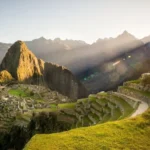
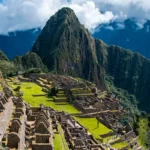
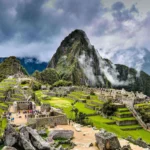
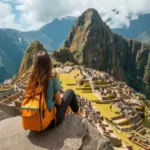
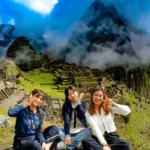
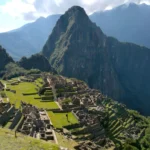
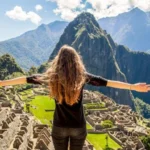
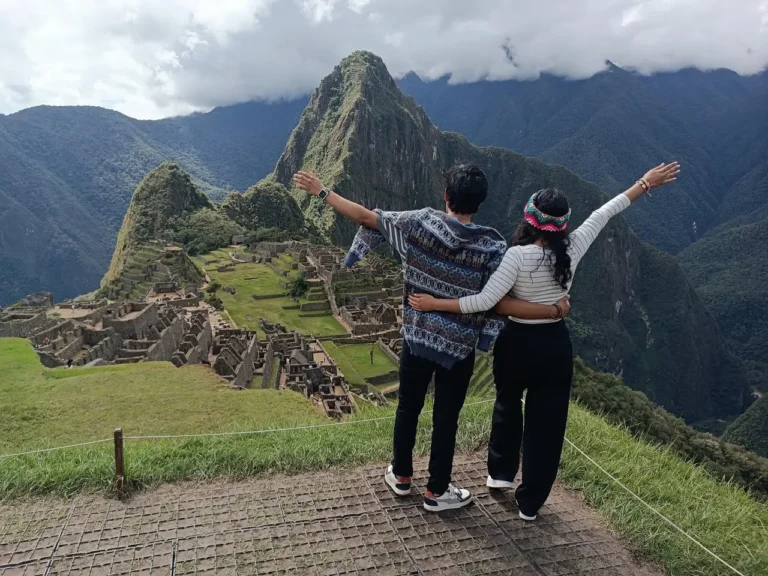
Classic access terrace and first panorama — The most iconic view in South America: the citadel on its mountain saddle, terraces cascading below, Huayna Picchu rising steeply from the east, the Urubamba canyon plunging 1,000 m on three sides. After 3 days of progressively approaching this mountain through the Sacred Valley and the cloud forest, arriving at this viewpoint is a genuine culmination.
Intihuatana — The "hitching post of the sun" at the highest elevation of the ceremonial complex. The only intact Inca solar gnomon in the world — all others were destroyed by the Spanish as symbols of Andean religion. Machu Picchu's survival from discovery until 1911 means this remained untouched.
Temple of the Three Windows — Three trapezoid windows, no mortar, perfectly interlocking stones after 600 years of seismic activity. The three windows may represent the three realms of Inca cosmology: sky (Hanan Pacha), earth (Kay Pacha) and underground (Uku Pacha).
Sun Tower (Torreón) — Circular astronomical observatory aligned to the June solstice sunrise. A natural granite outcrop forms the base; the circular wall above was built to frame specific astronomical alignments. The precision required to achieve this without modern instruments — just years of solstice observation — is a recurring subject in Andean archaeological research.
Temple of the Condor — The natural rock formation carved to represent the condor (Vultur gryphus), with stone "wings" spread 6 meters. The condor is the Andean symbol of the upper world, capable of flying between the human realm and the world of the gods. Below the condor: a subterranean chamber for ritual offerings.
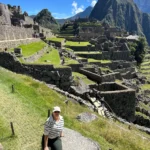
Agricultural terraces and llamas — 700+ terraces built with a functioning 3-layer drainage system. About 20 resident llamas maintain permanent territories here — descendants of the animals kept by Inca workers for wool and ritual use.
Machu Picchu facts:
- Built ~1438 AD under Pachacútec (9th Sapa Inca)
- Abandoned ~1540 before Spanish contact — smallpox epidemic reached the Inca Empire before European armies
- Overgrown and unknown to the outside world for ~370 years
- Rediscovered July 24, 1911 by Hiram Bingham III
- UNESCO World Heritage Site: 1983
- New Seven Wonders: 2007
- Daily quota: ~4,500 visitors
~09:00–11:30 hrs — Free time at the citadel.
~12:00 hrs — Bus down to Aguas Calientes. Lunch (own account).
~14:30 hrs — Transfer from Aguas Calientes back to Hidroeléctrica (walk 3h or occasional local train ~S/. 15 — ask guide for current schedule). Tourist transport returns to Cusco.
~20:00–21:00 hrs — Arrival in Cusco. End of service.

What's included
Inclusions
-
Meals
- 2 breakfasts (Days 2 and 3)
- 2 lunches (Day 1 Santa Teresa + Day 1 re-confirmed at booking)
- 1 dinner (Day 2 — confirm at booking; some variants have dinner included in Aguas Calientes)
-
Tickets & Permits
- Machu Picchu Archaeological Park entrance ticket
-
Guide
- MINCETUR bilingual guide at Machu Picchu
-
Transportation
- Tourist transport Cusco → Santa Teresa → Hidroeléctrica → Cusco (round trip)
-
Accommodation
- 1 night accommodation in Santa Teresa (standard room)
- 1 night accommodation in Aguas Calientes (standard room)
-
Other
- First aid kit
Frequently Asked Questions
Is the 3-day version worth the extra night compared to the 2-day?
For most travelers: yes. The key difference is energy and pace. The 2-day version does the full Cusco-to-Santa Teresa drive and the 3-hour jungle hike and hotel check-in all on Day 1 — a long, tiring sequence that leaves travelers less fresh for Machu Picchu on Day 2. The 3-day version splits the effort across two days, adds the Cocalmayo hot springs experience, and allows an optional zip line. If you have the extra day available, the 3-day is the better experience.
What is the Hidroeléctrica trail like?
The trail from Hidroeléctrica to Aguas Calientes is 8 km, flat (±30 m elevation change), and follows the Urubamba River and railway line through cloud forest at 2,040 m. Duration: 2.5–3 hours at a comfortable pace. Difficulty: low-moderate — anyone in average physical condition can complete it. Trekking shoes with grip recommended (some rocky sections near bridges). Insect repellent is advisable for the subtropical sections.
Is the Machu Picchu ticket included?
Yes. The entrance ticket to Machu Picchu Archaeological Park is included. We purchase it using your passport number at booking — tickets are non-transferable and date-specific. Book early: during high season (June–August, Easter, Christmas) the daily quota sells out weeks ahead.
Can I take the local train instead of walking from Hidroeléctrica on the return?
Yes. A local train service operates occasionally between Aguas Calientes and Hidroeléctrica (~S/. 10–15, schedule not fixed). The guide will advise on the current timetable on Day 3. Most travelers who walked from Hidroeléctrica on Day 2 choose the local train on the return Day 3 for convenience.
Is this tour suitable for families with children?
Children 6+ in average physical condition can complete the jungle hike. The trail is flat, non-technical and well-marked. Children under 12 enter Machu Picchu free (passport required). The hot springs at Cocalmayo have separate shallow sections suitable for children. For families with very young children or those seeking a less demanding route, the Machu Picchu by Train 2 Days is a more practical option.
What is the best time of year for this tour?
April–October (dry season): best road conditions (the Santa Teresa road can be difficult after heavy rain), clearest views of Salkantay and Chicon from the descent, trail is dry. November–March (rainy season): the cloud forest is lush, waterfalls visible everywhere, Cocalmayo springs are at full flow. The trail may be muddy but is walkable. Fewer crowds. This tour operates year-round.
Why book with Travel Peru Tours?
We are 100% local Cusco-based operators who run this specific route year-round. We know the current road conditions, Cocalmayo spring access, local train schedules from Hidroeléctrica, and Santa Teresa hotel options in real time. Our MINCETUR guide at Machu Picchu provides the complete 2-hour circuit. Contact us on WhatsApp for availability.
Can’t find the answer to your question?
Get in touch with the experts at Travel Peru Tours for your inquiry.
Ask a questionTraveler reviews
Did you take this tour?
Share your experience with other travelers
Let our local experts help you plan your perfect adventure in Peru.
Write to us and we'll reply within 24 hours.
Related Tours
Related trips you might be interested in
Official endorsement
Associations & Certifications
We operate under the regulations and standards of Peru's leading tourism entities.