Ausangate Trek 3 Days: Complete Guide to Peru’s Highest Trek (2026)
-
Availability Daily departures
-
Transport Hotel pickup
-
Languages Spanish, English
-
Service type Not specified
-
Cancellation policy Not specified
-
Maximum altitude 5,200m (17,060 ft) m.s.n.m.
About this activity
The Ausangate Trek is the most extreme and remote trekking circuit in the Cusco region — a full 60 km loop around the Nevado Ausangate (6,384m), the highest mountain in Cusco and the most sacred Apu in the Andean world. Unlike most “Ausangate” tours marketed to tourists, this is the real alpine circuit: three days at altitude averaging 4,700m, crossing the Paso Palomani at 5,200m (17,060 ft), camping beside glacial lagoons in six different colors, and bathing in natural hot springs at the foot of the glacier. Temperatures drop to -15°C at night. Vicuñas and Andean condors are guaranteed sightings. From $450 USD per person, fully supported with camping, food, and pack horses.
This is not the tourist combo. Most agencies sell an “Ausangate + Rainbow Mountain 3-day” tour (30 km) that ends at the main Vinicunca viewpoint. This tour is the authentic 60 km full circuit of the Ausangate — no bus crowds, no Instagram overlooks, no Machu Picchu ticket. Just glacier, altitude, and one of the most extraordinary landscapes on Earth.
Why Choose This Tour?
- Upis hot springs (4,400m) — Day 1 reward
- Paso Palomani (5,200m) — highest point
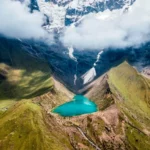
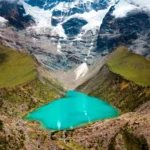
- Ausangate Cocha — turquoise glacial lake (4,800m)
- Puca Cocha — red lagoon from iron minerals (4,800m)
- Nevado Ausangate (6,384m) — Peru’s sacred guardian mountain
- Vicuñas and Andean condors in the wild
Itinerary
Day 01
Cusco → Tinki → Upis Hot Springs (4,400m)
05:00 h — Hotel pickup in Cusco. Private transport approximately 3 hours southeast along the Cusco–Puno highway, turning off at the village of Tinki (3,900m).
Trek begins following the Salcca River valley into the glaciated interior. The Nevado Ausangate becomes increasingly visible as you approach — the glaciated peak rising above the surrounding puna (high plateau grassland) in multiple summits. Almuerzo en ruta. (~4 hours hiking)
Arrival at Upis camp (4,400m) in the early afternoon. The Upis hot springs are a small pool of natural thermal water at approximately 38°C, fed by geothermal activity at the base of the Ausangate glacier. Entry approximately S/.10 (not included). After a long drive and first day at altitude, this is one of the most rewarding experiences of the trek.
Dinner at camp. First night at 4,400m — the highest many trekkers will have slept. Temperature at night: -5°C to -10°C. (~12 km)
Camp: Upis, 4,400m — tents, covered dining tent, basic toilet facilities.
Day 02
Paso Palomani (5,200m) → Multicolored Lagoons → Jampa Camp — The Hardest Day
05:30 h — Early start. The ascent to Paso Palomani (5,200m / 17,060 ft) takes approximately 4 hours from Upis. This is the most demanding section of the entire trek — 800 meters of elevation gain at an already-high starting altitude of 4,400m.
At the pass: a 360° panorama of the Ausangate glacier system, the distant ridgeline of the Vilcanota range, and the first sightings of the high-altitude lagoons below. Wind at the pass can be strong — the temperature drops to -5°C or below even in June.
Descent to the lagoons — the visual highlight of the trek:
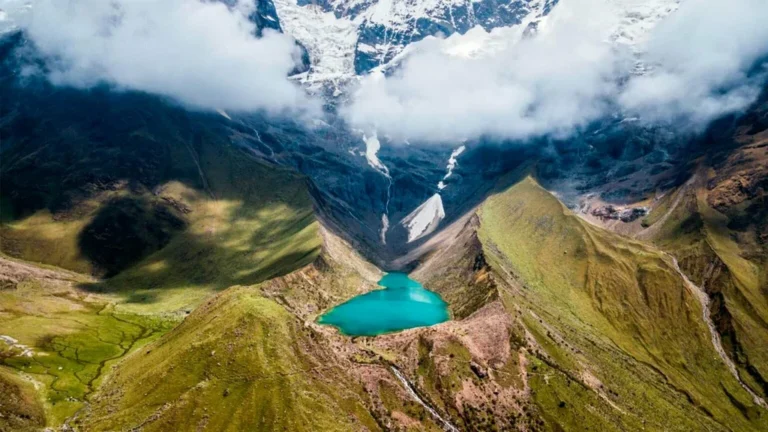
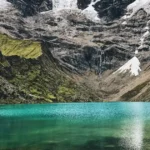
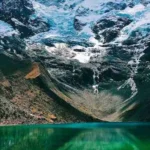
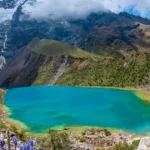
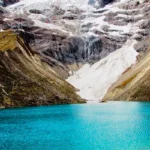
- Ausangate Cocha (4,800m): the largest lagoon, vivid turquoise from glacial rock flour. The reflection of the Ausangate glacier in the still water on calm mornings is one of the most photographed scenes in the Peruvian highlands.
- Puca Cocha (4,800m): "Red Lagoon" in Quechua. The red-orange color comes from high iron content in the glacial sediment. The contrast with Ausangate Cocha's turquoise 300 meters away is striking.
- Wildlife zone: the flat pampas between the lagoons are the primary grazing territory of wild vicuñas. It is common to encounter herds of 30-80 animals here. Andean condors ride thermals above the glacier, wingspans of up to 3.2 meters visible overhead.
Lunch by the lagoons. Afternoon hiking to Jampa camp (4,800m). Dinner. Second night at altitude. (~22 km — the longest and most demanding day)
Camp: Jampa, 4,800m — the highest campsite on the circuit.
Day 03
Jampa → Alqa Cocha → Ccomer Cocha → Tinki → Cusco
Final day closes the circuit, descending from Jampa through two more lagoons and returning to Tinki. Terrain is gentler than Day 2 — mostly gradual descents across the puna.
- Alqa Cocha (4,700m): a pale blue-grey lagoon
- Ccomer Cocha (4,600m): greenish from copper-bearing glacial sediment
The final section follows a traditional Quechua herding path back to Tinki, passing the thatched stone corrals (chullpas) used by local alpaca herders. Traditional Quechua communities still practice pastoral transhumance on the Ausangate circuit — moving herds between altitude zones seasonally.
~14:00 h — Arrival at Tinki. Lunch. Private transport back to Cusco (~3 hours).
~18:00-20:00 h — Arrival in Cusco. End of service. (~18 km)
What's included
Inclusions
-
Meals
- 2 breakfasts + 3 lunches + 2 dinners (cooked on trail)
- Boiled water and coca tea
-
Guide
- Bilingual guide certified by MINCETUR (full 3 days)
-
Transportation
- Private transport Cusco → Tinki → Cusco
- Pack horses for group gear transport
-
Equipment
- Professional cook + kitchen equipment
- Full camping equipment (dome tents, sleeping mats, dining tent)
-
Other
- Emergency oxygen + first aid kit
Frequently Asked Questions
Is the Ausangate Trek harder than the Salkantay Trek?
Yes — significantly. The Ausangate's highest point is 5,200m vs. 4,600m for the Salkantay, and the average altitude over three days is approximately 4,700m, while Salkantay averages around 3,500m after the descent to the jungle. You spend two full nights above 4,400m on the Ausangate vs. one night above 4,000m on the Salkantay. Most trekkers who have done both describe the Ausangate as meaningfully harder.
Do I need prior trekking experience for the Ausangate Trek?
Prior multi-day trekking experience is strongly recommended, ideally at altitude. If you've never hiked for 8+ hours at altitude, we suggest starting with the Salkantay Trek 5 Days or Humantay Lake Full Day as a test. Both prepare you for the Ausangate.
How cold does it get at night?
Camp temperatures range from -5°C to -15°C depending on the season. July is the coldest month (dry season coincides with the coldest nights). This is why we require a sleeping bag rated to at least -10°C. A -5°C bag is insufficient for Jampa camp (4,800m) in winter months.
Are there hot springs at Ausangate?
Yes — the Upis hot springs at 4,400m are a genuine natural thermal spring (approximately 38°C) available at the Day 1 campsite. A small entry fee (~S/.10) goes to the local Quechua community. This is not a hotel spa — it's an open-air pool of geothermal water beside a glacial river. One of the most memorable moments of the trek.
Can I see Rainbow Mountain on this trek?
Rainbow Mountain (Vinicunca, 5,200m) is not on this circuit. The Ausangate route goes to Paso Palomani and the multicolored lagoons — a completely different (and less crowded) landscape. If you want both, we recommend doing the Rainbow Mountain Full Day as a day trip from Cusco before or after this trek.
What wildlife will I see?
Day 2 through the high pampas between the lagoons offers the best large wildlife viewing in the Cusco region: wild vicuñas in herds of 30-80+, Andean condors soaring above the glacier, mountain viscachas on rocky outcrops, and occasionally Andean flamingos in the colored lagoons. These are not guaranteed animal encounters in a reserve with feeding programs — these are wild animals in their habitat. Sightings vary but vicuñas and viscachas are consistently present.
Is there a circuit for fit beginners who want Ausangate?
We offer the 7 Ausangate Lagoons Full Day — a one-day tour to the seven lagoons from the Cusco side, reaching approximately 5,000m. This is the accessible version for those who want to see the Ausangate landscape without the full 3-day circuit commitment.
What is the maximum group size?
12 people maximum for the full circuit. Small groups are intentional — the campsites on the remote circuit have limited space, and our cook and guides provide better attention with smaller groups. Private departures available for groups of 2-12.
Do I need altitude medication?
Altitude medication is not required but often helps. Sorojchi Pills (aspirin + caffeine compound, sold OTC in Cusco pharmacies at ~S/.5) help many trekkers manage headaches. Acetazolamide (Diamox) requires a prescription but is more effective as a preventive measure — consult your doctor before arrival. Our guide carries emergency supplemental oxygen and is trained in altitude sickness assessment.
Can I combine Ausangate Trek with Machu Picchu?
Not on this specific tour — the circuit returns to Cusco, not Aguas Calientes. However, we offer a combined itinerary: do the Ausangate Trek on Days 1-3, rest in Cusco on Days 4-5, then take a Machu Picchu Full Day or train-based 2-day tour to Machu Picchu. Ask us about combined booking discounts.
Can’t find the answer to your question?
Get in touch with the experts at Travel Peru Tours for your inquiry.
Ask a questionTraveler reviews
Did you take this tour?
Share your experience with other travelers
Let our local experts help you plan your perfect adventure in Peru.
Write to us and we'll reply within 24 hours.
Related Tours
Related trips you might be interested in
From
$450 USD
Official endorsement
Associations & Certifications
We operate under the regulations and standards of Peru's leading tourism entities.